
Introduction
As organizations continue expanding their digital operations, IT infrastructure has become a critical asset rather than a back-office function. From telecom networks and enterprise data centers to industrial automation systems and smart facilities, businesses rely on stable and secure network environments to maintain operational continuity.
One often overlooked component in this infrastructure is the network server cabinet. While servers, switches, storage devices, and networking equipment receive significant attention during procurement, the cabinet that houses and protects these assets is equally important.
Choosing the wrong supplier or product can result in equipment overheating, poor cable management, difficult maintenance, inconsistent product quality, delayed project execution, and increased operational costs. In large-scale deployments, procurement teams may also face challenges related to unstable lead times, limited customization options, and inadequate technical support.
For telecom operators, system integrators, engineering contractors, infrastructure developers, and procurement professionals, selecting the right network server cabinet should be viewed as a strategic infrastructure decision rather than simply comparing prices.
This guide explains the key factors businesses should evaluate before purchasing network server cabinets and how supplier selection directly impacts project success.
What Is a Network Server Cabinet?
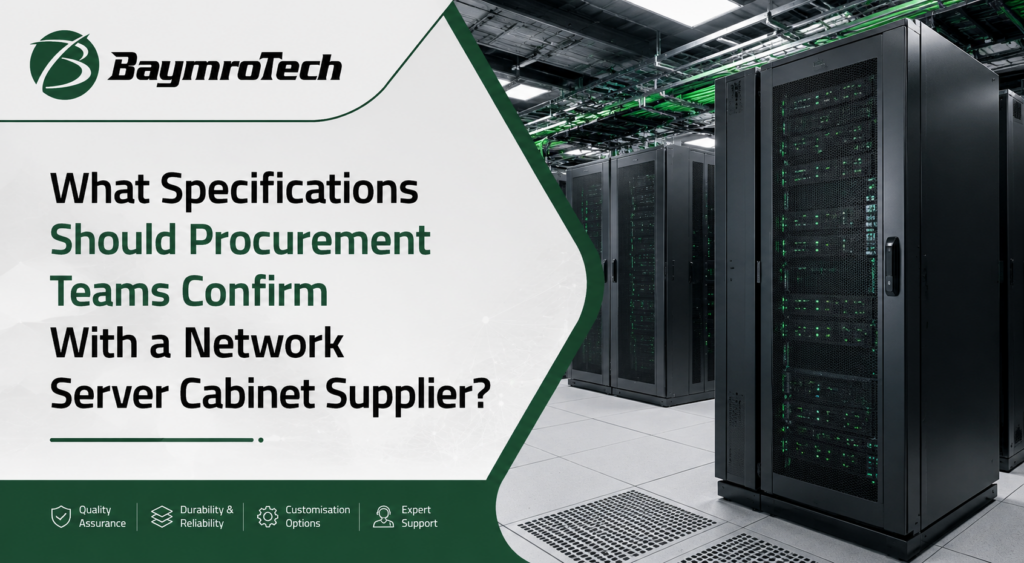
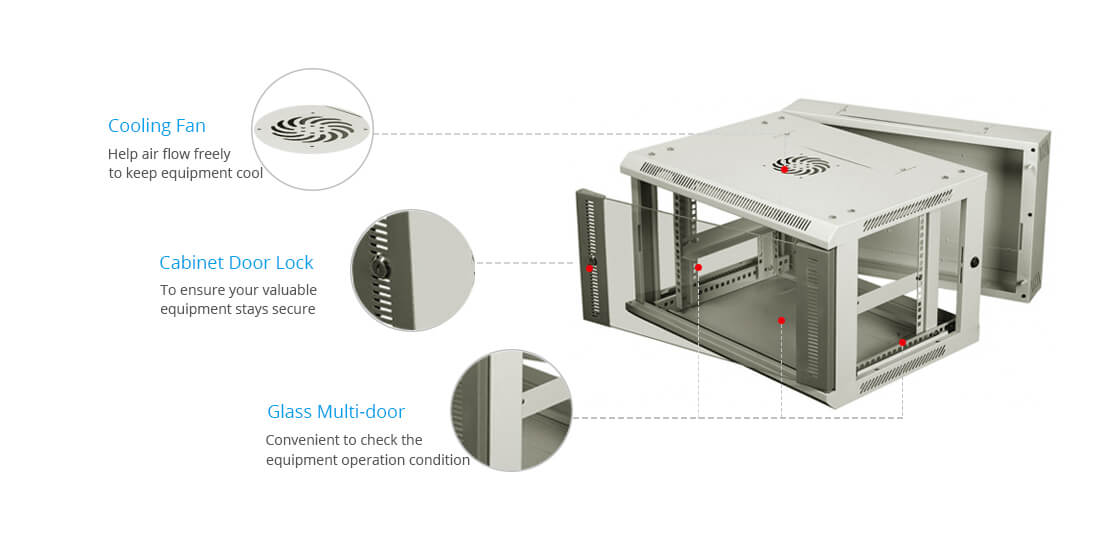
A network server cabinet is an enclosed rack system designed to securely house servers, switches, routers, patch panels, storage equipment, power distribution units, and related networking hardware.
These cabinets provide:
- Physical equipment protection
- Organized cable management
- Improved airflow and cooling
- Equipment security
- Easier maintenance access
- Structured infrastructure deployment
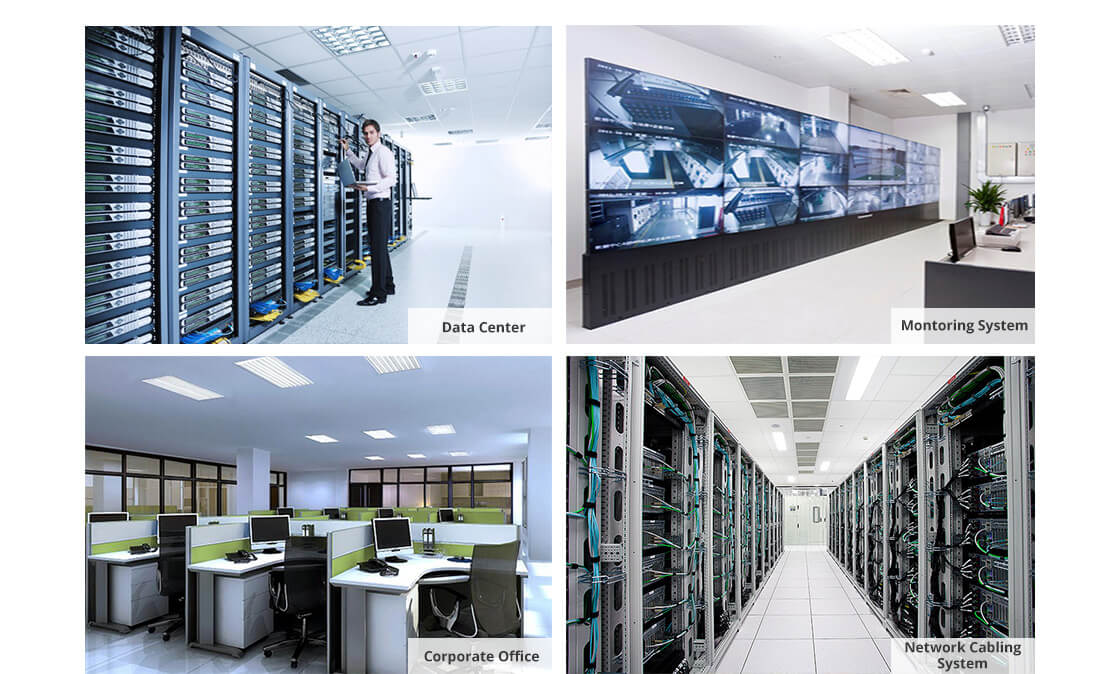
Available in various sizes, depths, and configurations, network server cabinets are commonly used in data centers, telecom facilities, enterprise IT rooms, industrial networks, educational institutions, and government infrastructure projects.
The right cabinet helps maximize equipment lifespan while improving operational efficiency and future scalability.
Applications and Industry Use Cases
Network server cabinets support a wide range of infrastructure environments.
Telecom Networks
Telecom operators use network cabinets to house transmission equipment, switches, fiber distribution systems, and communication hardware. Proper cabinet design helps ensure reliable network performance and simplified maintenance.
Enterprise Data Centers
Businesses deploy server cabinets to organize computing infrastructure, improve cooling efficiency, and maintain secure access control for critical IT assets.
Industrial Automation Facilities
Manufacturing facilities and industrial plants often install network cabinets to support automation systems, industrial switches, control devices, and edge computing equipment.
Smart Buildings and Infrastructure Projects
Modern commercial buildings rely on structured network cabinets for surveillance systems, access control equipment, building management systems, and communication networks.
Educational and Government Facilities
Universities, research institutions, and government organizations use server cabinets to centralize IT equipment while maintaining security and operational reliability.
System Integration Projects
System integrators frequently require customized cabinet solutions that accommodate specific equipment layouts, cable routing requirements, and deployment environments.
Different projects often require unique cabinet dimensions, load capacities, ventilation configurations, security features, environmental protection levels, and cable management systems. As a result, evaluating supplier capabilities becomes just as important as evaluating the cabinet itself.
What Should Businesses Consider Before Purchasing a Network Server Cabinet?
This is often the most important part of the procurement process. The supplier’s capabilities can significantly impact project schedules, equipment performance, and long-term infrastructure reliability.
1. OEM Manufacturing Capability
Many suppliers operate only as traders without direct manufacturing control.
An OEM manufacturer offers greater flexibility regarding:
- Cabinet dimensions
- Door configurations
- Ventilation systems
- Locking mechanisms
- Branding requirements
- Project-specific modifications
For large infrastructure deployments, OEM capabilities allow buyers to align cabinet specifications with actual project requirements rather than adapting projects to standard products.
As an engineering-focused manufacturer, BaymroTech supports OEM requirements for customers seeking customized network infrastructure solutions.
2. Customization Options
Every deployment environment is different.
Procurement teams should evaluate whether suppliers can customize:
- Cabinet height and depth
- Cable management systems
- Cooling solutions
- Mounting accessories
- Security features
- Power distribution integration
- Color and branding requirements
Customization helps reduce installation challenges while improving overall system organization.
3. Minimum Order Quantity Requirements
MOQ requirements can significantly impact procurement planning.
Some projects require large-volume purchases, while others involve pilot deployments or phased infrastructure expansion.
Buyers should clarify:
- Standard MOQ
- Customized product MOQ
- Sample order availability
- Prototype support
Understanding MOQ policies helps avoid unexpected procurement limitations.
4. Lead Time Stability
Project schedules often depend on timely equipment delivery.
Unstable lead times can delay:
- Data center deployments
- Telecom network expansion
- Infrastructure commissioning
- System integration activities
Reliable suppliers maintain production planning systems and supply chain coordination that support consistent delivery performance.
When evaluating suppliers, request documented lead time commitments and historical delivery performance information.
5. Product Certifications
Certifications help validate manufacturing quality and compliance.
Depending on project requirements, buyers may request:
- ISO quality management certifications
- CE compliance
- RoHS compliance
- Environmental certifications
- Safety compliance documentation
Certified products often simplify project approval and procurement processes.
6. Testing Reports
Testing documentation provides objective evidence of product performance.
Important reports may include:
- Load capacity testing
- Structural integrity testing
- Coating performance testing
- Environmental testing
- Ventilation performance testing
Testing reports help procurement teams verify product claims before placing large-volume orders.
7. Quality Control Procedures
Consistent quality is essential for infrastructure projects.
Buyers should understand:
- Incoming material inspections
- Production inspections
- Assembly verification
- Final product testing
- Packaging inspections
Strong quality control processes reduce the risk of receiving defective or inconsistent products.
8. Technical Support Capability
Technical support becomes particularly valuable during project planning and deployment.
A capable supplier should provide:
- Product selection guidance
- Technical documentation
- Installation recommendations
- Custom design consultation
- After-sales support
Strong technical support often reduces implementation risks and improves project outcomes.
9. Production Capacity
Large infrastructure projects require confidence that suppliers can fulfill demand.
Evaluate:
- Factory scale
- Manufacturing equipment
- Workforce capacity
- Monthly production capability
- Expansion capabilities
Production capacity directly influences delivery reliability during large-scale projects.
10. Supply Chain Reliability
Supply chain disruptions can create significant procurement challenges.
Buyers should assess:
- Raw material sourcing stability
- Component availability
- Logistics capabilities
- Inventory management practices
Reliable supply chains contribute to predictable project execution.
11. Project References
Previous project experience can provide valuable insight into supplier capabilities.
Ask for examples involving:
- Telecom deployments
- Enterprise IT projects
- Data centers
- Government projects
- Industrial infrastructure installations
Successful project references often demonstrate practical expertise beyond product specifications.
Procurement Risks and Common Supplier Selection Mistakes
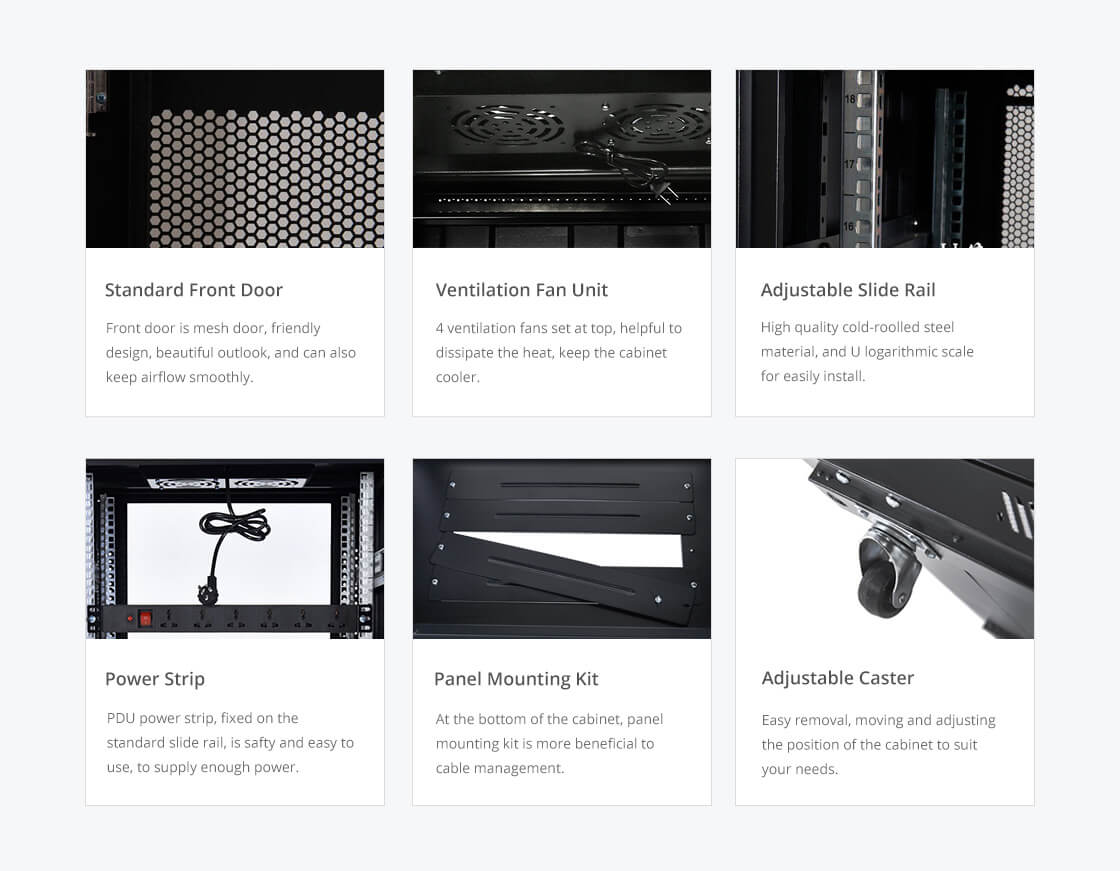
Selecting a supplier based solely on price can create long-term operational and financial risks.
No OEM Capability
Without OEM support, businesses may be forced to use standard products that do not fully match project requirements.
This can increase installation complexity and future upgrade costs.
No Testing Reports
Suppliers unable to provide testing documentation may expose buyers to product performance uncertainties.
This risk becomes more significant in mission-critical environments.
No Customization Support
Projects with unique infrastructure requirements often require customized cabinet configurations.
Limited customization may lead to inefficient equipment layouts and cable management issues.
Unstable Lead Times
Delayed deliveries can disrupt project schedules, increase labor costs, and affect customer commitments.
Limited Technical Support
Insufficient technical guidance may result in specification errors, installation problems, or inefficient infrastructure design.
Inconsistent Quality Control
Quality inconsistencies often lead to:
- Rework costs
- Equipment fitment issues
- Installation delays
- Higher maintenance expenses
For procurement teams, these risks increase total cost of ownership even when initial purchase prices appear attractive.
Network Server Cabinet Supplier Evaluation Checklist
| Evaluation Criteria | Verify Before Purchase |
| OEM Manufacturing Capability | ✓ |
| Customization Options | ✓ |
| MOQ Requirements | ✓ |
| Lead Time Stability | ✓ |
| Certifications Available | ✓ |
| Testing Reports Available | ✓ |
| Quality Control Process | ✓ |
| Technical Support Team | ✓ |
| Production Capacity | ✓ |
| Project References | ✓ |
| Supply Chain Stability | ✓ |
| After-Sales Support | ✓ |
This checklist can help procurement managers compare suppliers using objective evaluation criteria rather than price alone.
Why Businesses Choose BaymroTech for Network Server Cabinets
For B2B buyers, supplier reliability is often as important as product performance.
BaymroTech serves as an OEM manufacturer and B2B infrastructure supplier supporting telecom operators, contractors, system integrators, infrastructure developers, and enterprise customers.
Key strengths include:
- OEM manufacturing support
- Custom cabinet solutions
- Engineering-focused design assistance
- Consistent quality control processes
- Technical consultation capabilities
- Scalable production capacity
- Project-oriented procurement support
Rather than offering one-size-fits-all products, BaymroTech works with customers to align cabinet specifications with actual deployment requirements.
This approach helps businesses improve infrastructure reliability while reducing procurement and installation risks.
Frequently Asked Questions
1. What is a network server cabinet?
A network server cabinet is an enclosure designed to house servers, networking equipment, patch panels, and related infrastructure components securely and efficiently.
2. Why are network server cabinets important in telecom projects?
They provide equipment protection, cable organization, cooling efficiency, and secure infrastructure management for critical telecom systems.
3. Can network server cabinets be customized?
Yes. Many OEM manufacturers offer customization options including dimensions, ventilation systems, cable management features, security configurations, and branding.
4. What certifications should buyers request?
Common requirements may include ISO certifications, CE compliance, RoHS compliance, and project-specific quality documentation.
5. What is the typical lead time for network server cabinets?
Lead times vary depending on product specifications, customization requirements, and order volume. Buyers should request confirmed production schedules before procurement.
6. How can buyers verify supplier quality?
Buyers should review testing reports, quality control procedures, certifications, factory capabilities, and previous project references.
7. Why is OEM capability important?
OEM capability allows suppliers to provide customized solutions that better match project requirements and deployment environments.
8. What procurement risks should businesses avoid?
Common risks include poor quality control, lack of testing reports, unstable lead times, limited customization, and inadequate technical support.
Request a Project Consultation and RFQ
If you are evaluating network server cabinet suppliers for telecom infrastructure, enterprise IT deployments, data centers, industrial facilities, or system integration projects, discuss your requirements with BaymroTech’s engineering and sourcing team.
Whether your project involves OEM specifications, customized designs, MOQ planning, certification requirements, lead time management, or large-scale deployment support, BaymroTech can help identify the most suitable solution for your infrastructure objectives.
Explore available solutions at baymrotech.com and request a tailored quotation based on your project requirements.
Conclusion
Network server cabinet procurement should never be treated as a simple hardware purchase. The right supplier contributes to project efficiency, infrastructure reliability, maintenance simplicity, and long-term operational performance. By evaluating OEM capability, customization support, quality control systems, certifications, testing documentation, production capacity, and supply chain reliability, businesses can make more informed procurement decisions and reduce project risks.
Ready to compare suppliers and secure the right network server cabinet solution for your next project? Contact BaymroTech today to discuss OEM requirements, customization options, lead times, and project-specific RFQ opportunities.