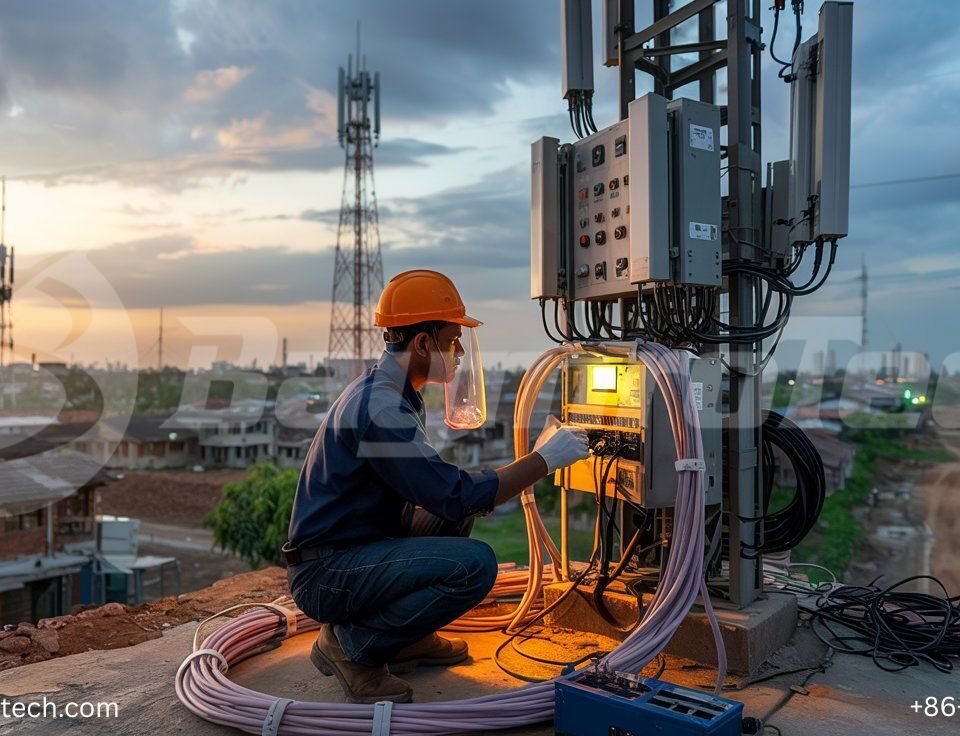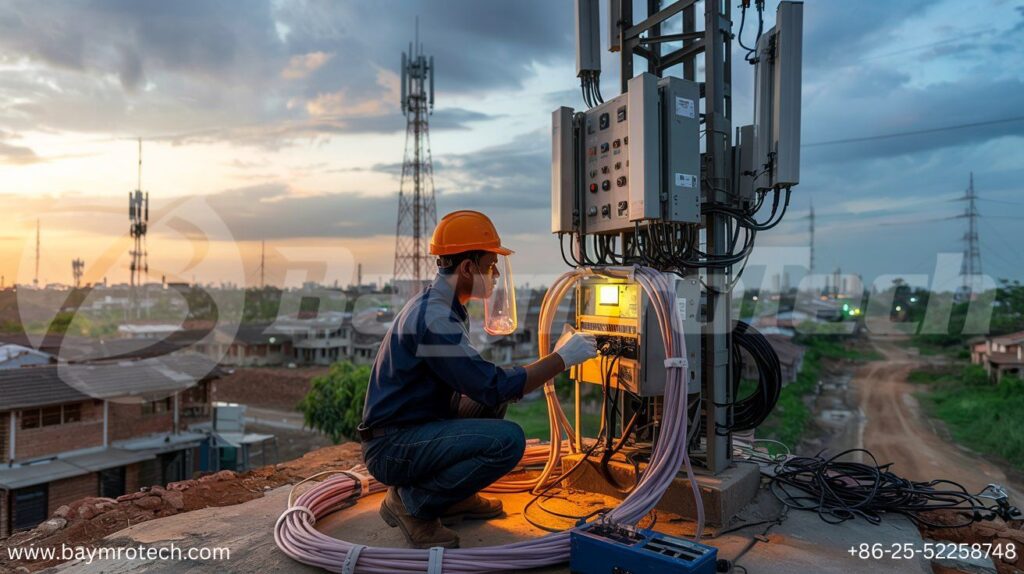
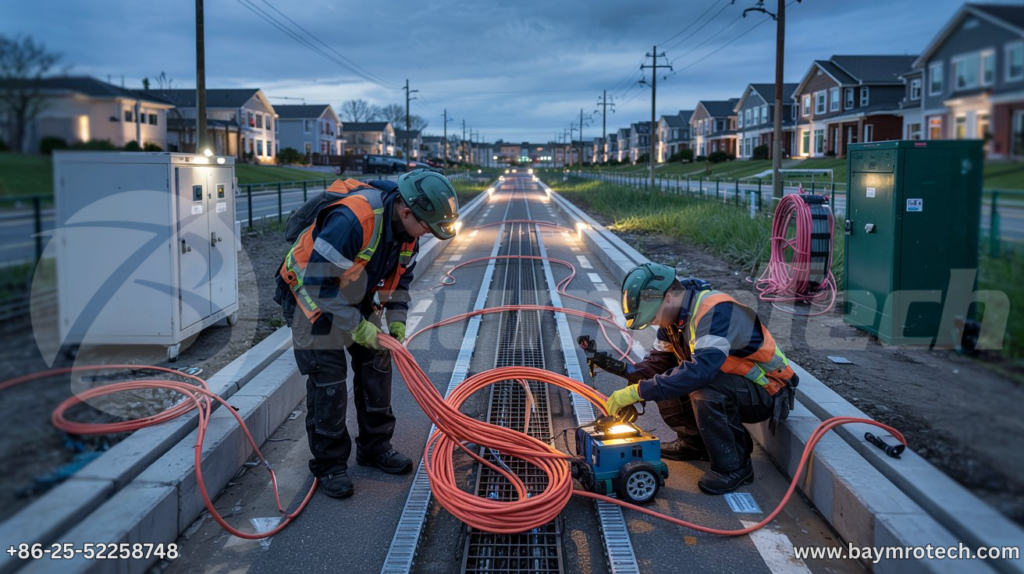
Ever wonder why that high-speed fiber connection sometimes falls short of expectations, despite the massive bandwidth promises? Often, the culprit isn’t the technology itself but the hidden stresses applied during installation. If you’ve ever stared at a tangled mess of fiber or dealt with frustrating signal loss, you know that even a microscopic speck of dust can grind a network to a halt. Let’s explore how you can avoid these common pitfalls and ensure your FTTx (Fiber-to-the-x) projects go off without a hitch.
The Foundation: Planning and Preparation
Before you pull a single meter of cable, your success is largely determined by your preparation. Think of this phase as laying the groundwork for a long-term relationship with your network; you wouldn’t build a house on a shaky foundation, so why treat fiber any differently?
- Map the Route: Identify the most efficient path while accounting for building layouts and potential obstacles.
- Manage Tension: Every cable has a maximum installation load; exceeding this can cause permanent damage, so keep it within the manufacturer’s specifications.
- Respect the Bend Radius: Sharp bends are the enemy of fiber. Always adhere to the minimum bend radius to prevent micro-cracks that degrade signal quality over time.
By planning your pathways and ensuring you have the right infrastructure in place, you minimize the need for mid-span repairs later. For a deeper look at common errors that catch many installers off guard, check out our guide on common FTTx installation mistakes.
Precision in Action: Handling and Routing
Fiber optic cables are surprisingly delicate, despite the rugged environments they often inhabit. The “neat and workmanlike” manner emphasized by standards like the NECA/FOA-301 isn’t just about aesthetics; it’s about ensuring long-term network reliability.
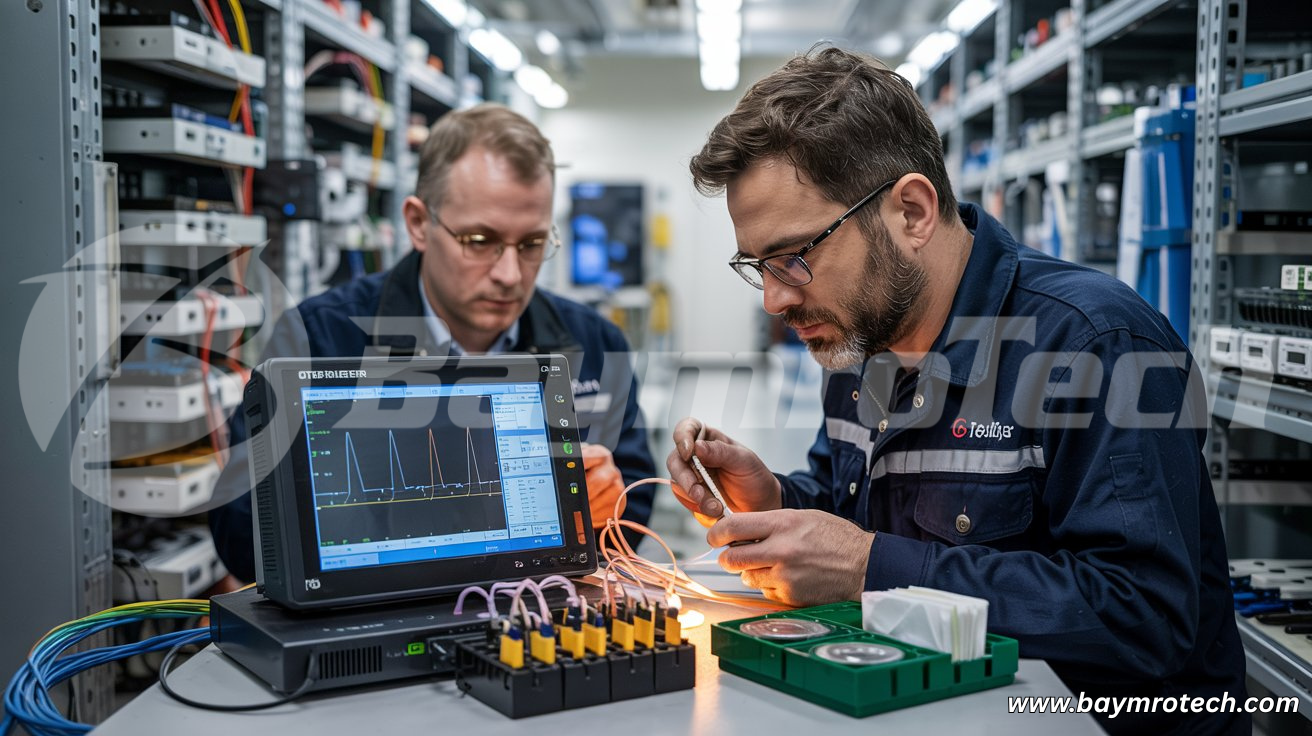
When you are in the field, cleanliness is your best friend. A single particle of dust on a Fiber Optic Adapter can cause significant insertion loss and back-reflection, which explains why your speed might be inconsistent. Always use lint-free wipes and specialized cleaning tools to maintain pristine contact surfaces.
Additionally, avoid over-populating conduits. A good rule of thumb is to keep your fill rate under 40% to allow for future upgrades or repairs without damaging the existing infrastructure. If you find yourself needing to connect segments or equipment, ensure you use a high-quality Fiber Optic Adapter to maintain the integrity of your signal path.
Testing: The Moment of Truth
Never assume a job is finished until the data confirms it. Documentation is just as critical as the physical install; keeping detailed records of your fiber plant helps in troubleshooting and future maintenance.
- Continuity Testing: The first step to verify that light is traveling from point A to point B.
- Insertion Loss Testing: Use an optical loss test set to ensure your signal hasn’t degraded beyond acceptable levels.
- OTDR Analysis: For longer runs, an Optical Time-Domain Reflectometer is essential to pinpoint specific splice points or faults along the cable route.
If you are curious about how to streamline your deployment process, take a look at our expert solutions for fiber infrastructure to see how quality components make a difference.
Wrap Up and Moving Forward
Installing fiber is as much an art as it is a science. By focusing on tension management, keeping your connections clean, and thoroughly testing every segment, you build networks that don’t just work today but thrive for years to come. Remember, the effort you put into the details now saves hours of troubleshooting down the road.
Do you have a project coming up or a specific installation challenge you’re grappling with? We’d love to hear about it—or if you have questions about which components will best suit your specific site requirements, don’t hesitate to contact our team today. Let’s build a faster, more connected future together!