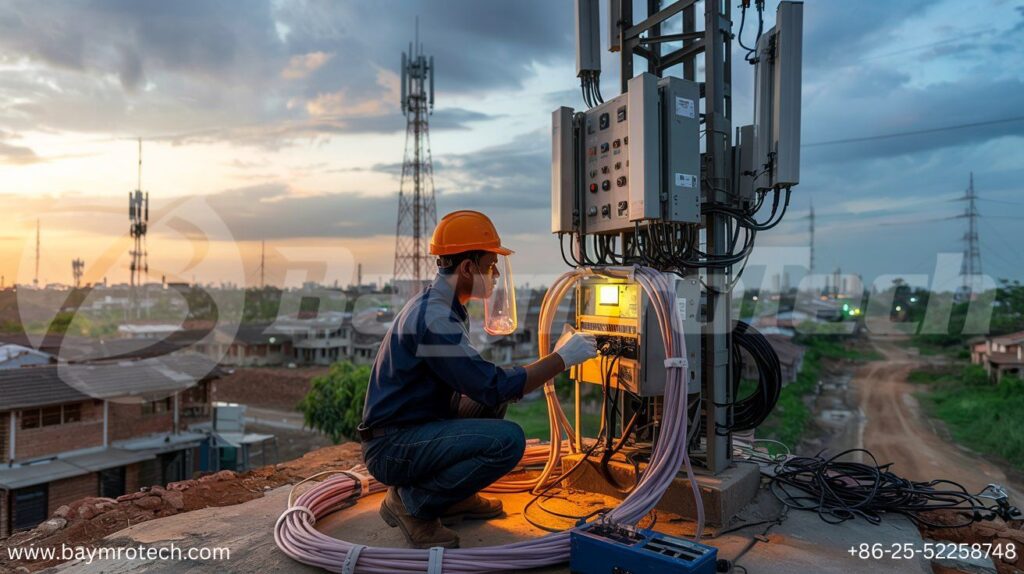

Imagine your high-speed fiber optic network suddenly crawling like a dial-up connection from the 90s—just when you’re streaming that critical video call or transferring massive data files. Signal loss, or attenuation, is the sneaky culprit behind these frustrations, costing businesses downtime and dollars. In this guide, we’ll dive into proven strategies to slash that loss, keeping your connections lightning-fast and reliable.
Understanding Signal Loss Basics
Signal loss in fiber optic networks happens when light pulses weaken as they travel through the cable. You’ve got intrinsic factors like material absorption and scattering from tiny imperfections in the glass core—these are unavoidable but minimal in top-quality fiber. Extrinsic issues, though, are where most pain points hide: poor connections, bends, or dirt that turn your premium setup into a lossy mess.
Think of it like a flashlight beam through fog—the cleaner and straighter the path, the brighter it stays. Real-world stats show attenuation as low as 0.2 dB/km in modern single-mode fiber, but one dirty connector can spike that by 1 dB or more. Spot these early, and you’re golden.
Pick High-Quality Fiber and Components
Start with the right foundation: choose low-loss fibers like G.657 bend-insensitive types that laugh off tight turns better than standard G.652. A Fiber Optic Pigtail is your secret weapon here—pre-polished and ready for fusion splicing, it cuts insertion loss to under 0.1 dB, way better than field terminators.
Don’t skimp on transceivers either; mismatched ones cause modal dispersion nightmares. I once helped a client swap cheap multimode gear for matched single-mode kits, and their link budget jumped 20%. Pro tip: Test with an OTDR (Optical Time-Domain Reflectometer) right after install to baseline your loss.
- Opt for full spools (500m+) to slash splice counts.
- Use armored cables in harsh spots to fend off rodents or crush damage.
Master Proper Cable Installation
Here’s where most networks go wrong—you can’t just yank cable like Ethernet. Always respect the minimum bend radius: 10-15 times the cable diameter during install, 20 times static. Sharp kinks leak light like a sieve; I’ve seen a single 90-degree elbow add 0.5 dB loss.
Route cables with slack loops for thermal expansion—wind vibration loves to micro-bend unprotected runs. And hire certified techs; untrained hands mean crushed jackets or pinched fibers, spiking attenuation by 50% or more.
Funny story: A buddy’s team once routed fiber around a fence post too tight. Boom—intermittent outages. Loosened it, and signal popped back like magic.
Minimize Splices and Connectors
Every splice or connector is a potential loss point—0.1-0.3 dB each adds up fast over 10km. Fusion splicing beats mechanical every time, with losses under 0.02 dB. Plan routes to use fewer jumps; full reels are your friend.
For connectors, go APC (Angled Physical Contact) over UPC to cut back-reflection losses—they’re game-changers in high-density setups. Check out our guide on fusion splicing best practices for step-by-step tips.
Cleanliness is godliness here: One speck of dust equals 1 dB loss. Wipe with isopropyl alcohol and lint-free wipes religiously.
Clean and Maintain Connections
Dirty connectors are the #1 killer—80% of field issues trace back to grime buildup. Use clicker cleaners or air blasts before every mate-up. Schedule quarterly OTDR scans; catch degradation before it blackholes your network.
Environmental foes like temp swings (up to 0.05 dB/°C shift) or humidity need sealed enclosures. In humid Kolkata, we’ve seen condensation wreck unprotected pigtails—armored Fiber Optic Pigtail variants fixed that quick.
Pro hack: Label everything. “TX 1310nm” saves hours chasing mismatches.
Leverage Advanced Tech Fixes
Boost long hauls with EDFAs (Erbium-Doped Fiber Amplifiers)—they pump signal without electrical conversion, adding gain with minimal noise. DWDM packs multiple wavelengths on one fiber, slashing per-channel loss.
BiDi transceivers double your fiber use, halving cable needs and related losses. For perimeter security or electric setups, low-loss splitters keep distributed sensing crisp. Read more on DWDM from <a href=”https://www.lightreading.com/optical-ip-dwdm/what-is-dwdm” target=”_blank”>Light Reading</a>.
Combat Common Culprits Table
This table’s saved my bacon on audits—print it out!
Real-World Wins and Stats
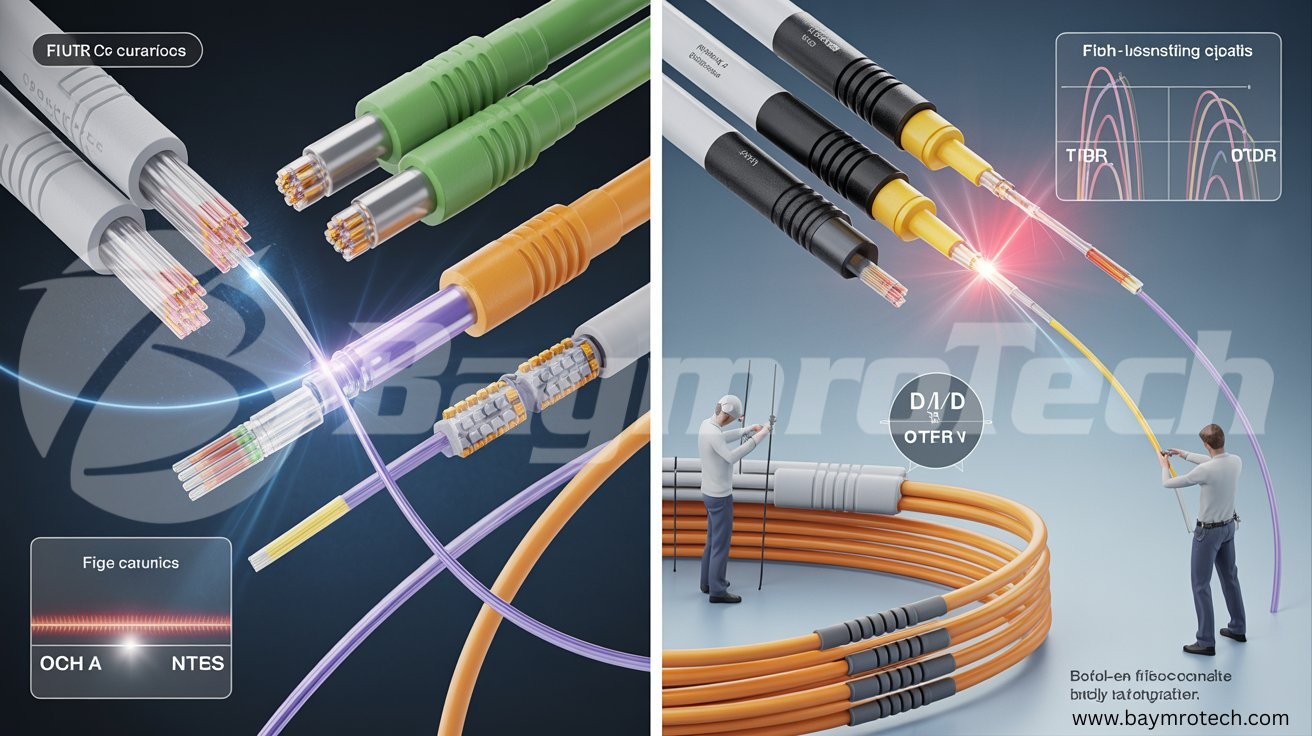
Industry pros report 30-50% loss drops post-optimization, per FS.com benchmarks.<cite>FS.com: Fiber Optic Loss Reduction</cite> A <a href=”https://www.fierce-network.com/telecom/attenuation-fiber-optics-report” target=”_blank”>Fierce Telecom report</a> notes proper install halves outages. We’ve cut client losses from 0.4 to 0.15 dB/km by swapping to quality pigtailspigtails.
Empathy check: I get it—downtime sucks. These tweaks aren’t rocket science but demand diligence.
Wrap-Up and Next Steps
Reducing signal loss boils down to quality gear, smart installs, ruthless cleaning, and proactive tech like amplifiers. Dodge bends, minimize joins, and maintain obsessively—your network will thank you with rock-solid performance.
Ready to upgrade? Explore our fiber optic solutions or drop a comment with your biggest pain point. Let’s chat—share your wins below!