Modern telecom and fiber network projects demand more than fast installation and competitive pricing. Procurement teams are expected to source components that deliver consistent performance, meet technical specifications, and arrive on schedule. A small issue with a fiber optic pigtail supplier can quickly turn into a major project challenge, leading to inconsistent product quality, delayed deployments, increased maintenance costs, unstable lead times, and a higher total cost of ownership.
For telecom operators, engineering contractors, system integrators, and infrastructure developers, selecting a supplier should never be based solely on unit price. The right supplier contributes to project reliability, long term network performance, and supply chain stability. A dependable partner also provides engineering support, customization, quality documentation, and manufacturing consistency that help reduce procurement risks.
This guide explains how procurement teams can evaluate a fiber optic pigtail supplier from both a technical and commercial perspective. It also highlights the key factors that help buyers make informed sourcing decisions while supporting successful project delivery.
What Is a Fiber Optic Pigtail Supplier?
A fiber optic pigtail supplier manufactures or distributes fiber optic pigtails used to terminate optical fibers by fusion splicing. A pigtail consists of a factory polished optical connector on one end and exposed optical fiber on the other.
These components are widely used in fiber distribution frames, optical distribution boxes, patch panels, FTTH deployments, telecommunications infrastructure, enterprise networks, and data centers.
For B2B buyers, the supplier’s role extends beyond delivering products. A professional supplier should provide manufacturing expertise, quality assurance, customization capabilities, technical documentation, and dependable logistics support that align with project requirements.
Applications and Industry Use Cases
Fiber optic pigtails support numerous industries where reliable optical communication is essential.
Telecommunications Networks
Telecom operators use fiber optic pigtails for network expansion, central offices, backbone infrastructure, and subscriber connections where stable signal transmission is critical.
FTTH Deployments
Fiber to the Home projects require high quality pigtails to achieve reliable last mile connectivity while minimizing signal loss during installation.
Data Centers
Modern data centers rely on fiber optic pigtails to maintain organized cable management and high speed optical communication between network equipment.
Industrial Communication Systems
Manufacturing facilities, energy projects, transportation infrastructure, and automation systems often use fiber optic networks that require durable and dependable fiber termination solutions.
Enterprise Network Infrastructure
Corporate campuses, educational institutions, hospitals, and government facilities integrate fiber optic pigtails into structured cabling systems to support high bandwidth communication.
Different projects often require different fiber types, connector configurations, cable lengths, environmental ratings, certifications, and packaging requirements. Because every deployment has unique technical and operational demands, evaluating supplier capabilities becomes just as important as selecting the product itself.
Key Buyer Decision Factors When Choosing a Fiber Optic Pigtail Supplier
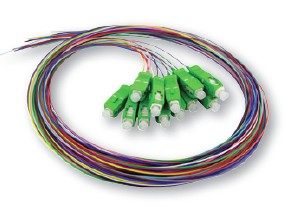
Selecting the right supplier requires evaluating multiple factors that influence project quality, procurement efficiency, and long term operational performance.
OEM Manufacturing Capability
An OEM manufacturer has greater control over production processes, quality standards, and product consistency. Buyers benefit from better traceability, faster customization, and improved production flexibility.
Working directly with an OEM supplier also reduces communication gaps and provides more efficient technical collaboration throughout the project lifecycle.
Customization Options
Every fiber network project is different. Buyers may require:
- SC, LC, FC, or ST connectors
- Single mode or multimode fiber
- Various fiber lengths
- Different cable diameters
- Color coded jackets
- Custom labels
- Project specific packaging
A supplier with strong customization capabilities helps simplify installation while meeting engineering specifications.
Minimum Order Quantity
MOQ directly affects procurement planning.
Flexible MOQ policies benefit pilot projects, maintenance work, and smaller deployments, while large infrastructure projects often require high volume manufacturing with stable production scheduling.
Understanding MOQ requirements early helps procurement managers optimize inventory and purchasing costs.
Lead Time Stability
Late component delivery can delay entire network deployments.
Reliable suppliers maintain production planning, raw material availability, and logistics coordination to ensure consistent lead times even during periods of increased market demand.
Stable lead times reduce project uncertainty and improve installation scheduling.
Product Certifications
Professional suppliers should provide certifications that demonstrate compliance with recognized industry standards.
Buyers should request documentation supporting material quality, manufacturing standards, environmental compliance, and applicable international certifications.
These documents help simplify customer approvals and project acceptance.
Testing Reports
Testing reports provide confidence that products meet performance requirements before shipment.
Typical reports may include:
- Insertion loss
- Return loss
- End face inspection
- Fiber geometry verification
- Mechanical testing
Verified testing helps reduce installation failures and post deployment maintenance.
Quality Control Procedures
Quality control should cover the complete manufacturing process, including:
- Incoming material inspection
- Production monitoring
- Connector polishing inspection
- Performance testing
- Final product verification
- Packaging inspection
Consistent quality management minimizes product variation across production batches.
Technical Support Capability
Procurement teams often require engineering assistance during specification reviews and product selection.
A knowledgeable supplier should support buyers with:
- Product recommendations
- Technical drawings
- Installation guidance
- Sample evaluation
- Documentation support
- Project consultation
Technical expertise becomes particularly valuable for customized projects.
Production Capacity
Large infrastructure deployments often require thousands of fiber optic pigtails delivered within tight schedules.
Suppliers with scalable production capacity can accommodate project growth while maintaining consistent product quality and delivery performance.
Supply Chain Reliability
Reliable supply chains reduce procurement risks associated with raw material shortages, transportation disruptions, and production bottlenecks.
Buyers should evaluate supplier inventory management, manufacturing resources, and logistics capabilities before placing large orders.
Project References
Experienced suppliers often have successful project references across telecom, data center, government, and enterprise sectors.
Relevant project experience demonstrates practical manufacturing capability and provides buyers with greater confidence during supplier selection.
Procurement Risks and Common Supplier Selection Mistakes
Choosing the wrong supplier can introduce avoidable risks that affect both project schedules and long term network reliability.
Some of the most common procurement mistakes include:
- Selecting a supplier without OEM manufacturing capability
- Accepting products without verified testing reports
- Ignoring customization requirements during quotation
- Choosing suppliers with unstable production capacity
- Overlooking quality control procedures
- Failing to evaluate technical support availability
- Purchasing solely based on the lowest price
- Not verifying certifications and compliance documentation
These issues may lead to inconsistent product quality, delayed deliveries, installation challenges, increased maintenance costs, warranty claims, and dissatisfied project stakeholders.
A structured supplier evaluation process helps reduce these risks while improving procurement outcomes.
Fiber Optic Pigtail Supplier Evaluation Checklist
| Evaluation Criteria | Why It Matters |
| ✓ OEM manufacturing capability | Better quality control and customization |
| ✓ Flexible MOQ | Supports projects of different sizes |
| ✓ Stable lead time | Reduces deployment delays |
| ✓ Industry certifications | Demonstrates compliance and reliability |
| ✓ Testing reports | Verifies product performance |
| ✓ Customization options | Meets project specific requirements |
| ✓ Technical support | Assists engineering and procurement teams |
| ✓ Quality control process | Ensures consistent production quality |
| ✓ Project references | Demonstrates proven experience |
| ✓ Supply chain stability | Supports long term procurement planning |
Why Procurement Teams Choose BaymroTech
For organizations seeking a dependable fiber optic pigtail supplier, BaymroTech combines manufacturing expertise with a strong understanding of B2B procurement requirements.
As an OEM manufacturer and engineering focused supplier, BaymroTech supports telecom operators, infrastructure developers, distributors, and system integrators with high quality fiber optic connectivity solutions.
BaymroTech offers:
- OEM and private label manufacturing
- Project based customization
- Consistent quality management
- Comprehensive testing documentation
- Engineering consultation
- Stable production capacity
- Reliable global supply support
- Responsive technical assistance
Rather than simply supplying products, BaymroTech works with customers to identify solutions that align with project specifications, procurement objectives, and long term network performance.
Frequently Asked Questions
What is a fiber optic pigtail?
A fiber optic pigtail is a short optical fiber with a factory terminated connector on one end and bare fiber on the other for fusion splicing.
Why are fiber optic pigtails used in telecom projects?
They provide reliable fiber termination, reduce signal loss, and improve long term network performance.
Can fiber optic pigtails be customized?
Yes. OEM suppliers can customize connector type, fiber type, cable length, jacket color, labels, and packaging according to project requirements.
What certifications should buyers request?
Buyers should request applicable quality certifications, compliance documents, and product testing reports relevant to their project specifications.
What is the typical lead time?
Lead time depends on order quantity, customization requirements, and production schedules. OEM manufacturers generally provide more predictable delivery timelines.
How can buyers verify supplier quality?
Review testing reports, quality control procedures, production capabilities, certifications, and previous project references before placing an order.
Request a Customized Fiber Optic Pigtail Solution
Every network project has unique technical and procurement requirements. Whether you need OEM manufacturing, customized connector configurations, flexible MOQ options, stable lead times, or engineering support, discussing your requirements early helps ensure a smoother procurement process.
The BaymroTech team is ready to help you evaluate project specifications, recommend suitable fiber optic pigtail solutions, and prepare a quotation that aligns with your deployment goals.
Ready to Source with Confidence?
Looking for a trusted OEM fiber optic pigtail supplier for your next telecom or infrastructure project? Contact BaymroTech today to discuss your OEM requirements, customization needs, lead times, and project specifications, and receive a competitive RFQ tailored to your business.