Imagine this: your business is humming along, orders are streaming in, and suddenly your fiber‑based internet drops out. No video conference, no cloud backups, no live support—just a spinning loading icon and a growing sense of panic. For many modern companies, an unreliable fiber network isn’t a minor inconvenience; it’s a direct hit on productivity, reputation, and revenue.
In this post, we’ll walk through the key factors that affect fiber network reliability and how you can stack the odds in your favor—whether you’re looking to upgrade your current setup or planning a new deployment.
Why Fiber Reliability Matters More Than You Think
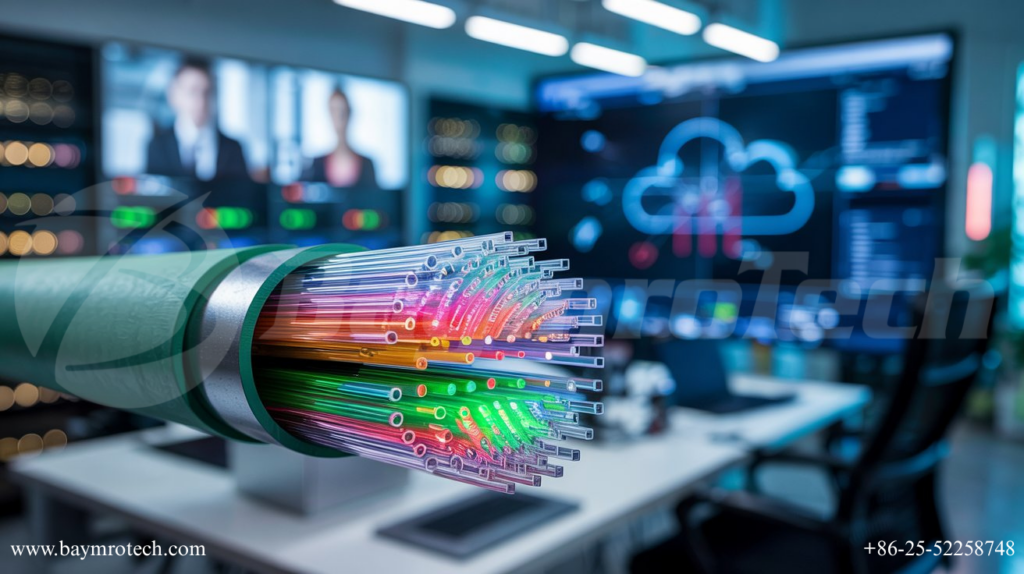
Fiber Optic Cable is often marketed as the “unbreakable” medium, but the reality is more nuanced. According to industry analysis, fiber‑based networks can last several decades, yet their real‑world performance depends heavily on design, installation, and maintenance.
A few numbers to consider:
- Research groups note that poorly planned or maintained fiber infrastructure can increase downtime by up to 30–40% in some commercial environments.
- The fiber optic connectivity market is projected to grow at over 16% annually through 2034, meaning more businesses are trusting fiber for mission‑critical operations.
If you’re putting that kind of trust into a fiber network, you need to understand what can shake its reliability.
Factor 1: Installation Quality and Handling
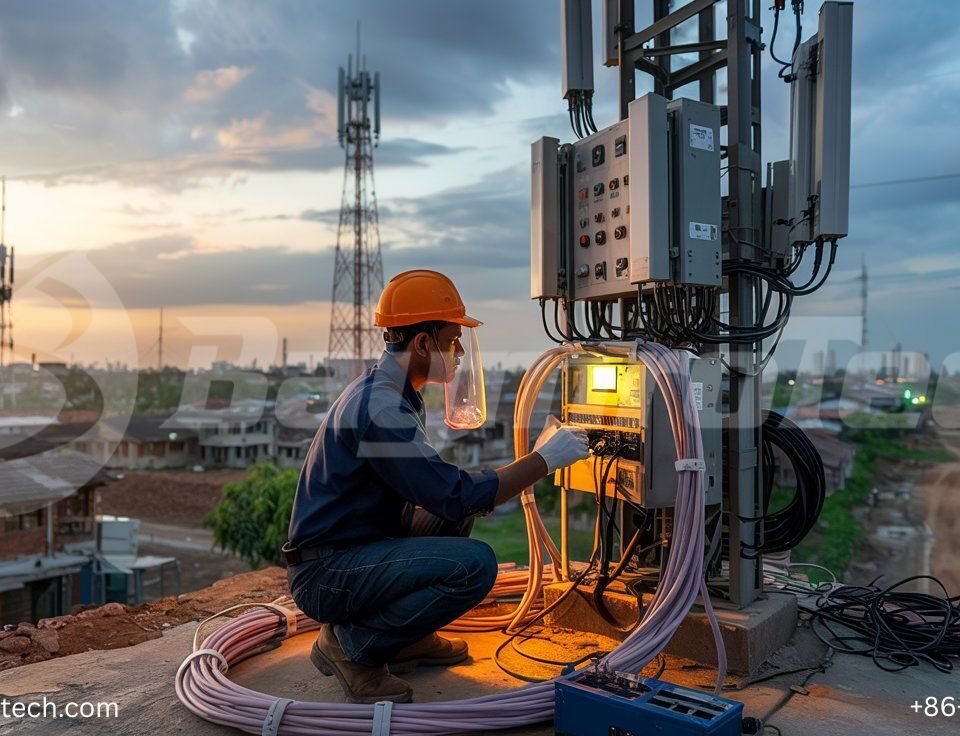
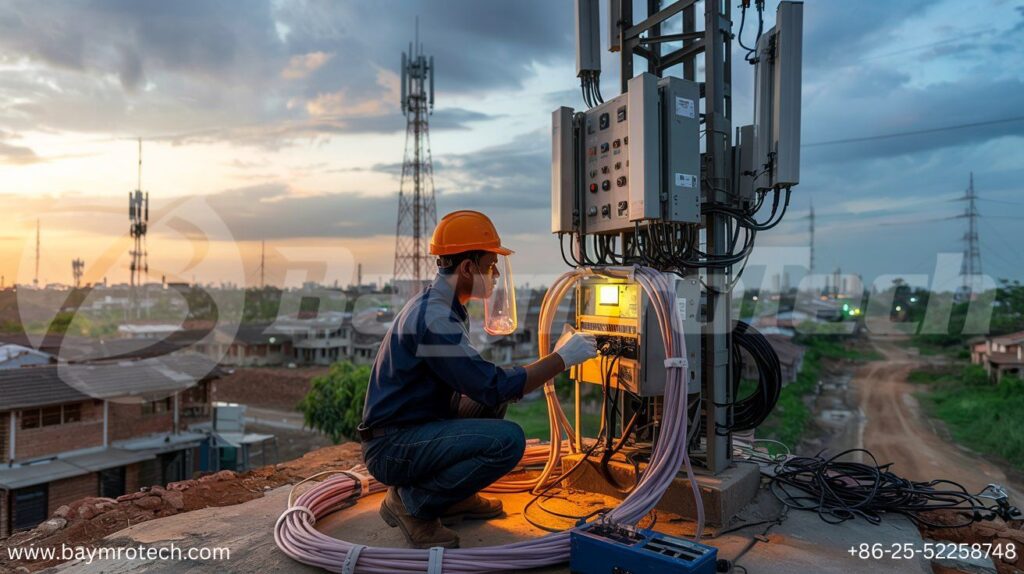
The single biggest factor in long‑term reliability is often the first one: how the Fiber Optic Cable is installed and handled. Even high‑grade fiber can underperform if it’s bent beyond its radius, stretched too tightly, or crushed during installation.
Common installation pitfalls include:
- Exceeding minimum bend radius specifications, which can cause micro‑cracks and signal loss.
- Using too much tension when pulling cable through conduits, stressing the glass core and coatings.
- Poor splicing or connector polishing, which leads to higher insertion loss and intermittent issues.
A good rule of thumb: treat fiber like fine glassware, not a copper Ethernet cable. If you’re planning a new install, consider reading our guide on best practices for fiber cable installation to avoid rookie mistakes.
Factor 2: Environmental and Physical Stress
Fiber Optic Cable is remarkably resilient, but it’s not a magic shield. It still feels the effects of temperature swings, moisture, and physical obstructions.
- Temperature and humidity: Extreme heat can cause cables to expand and stress joints, while cold can make them brittle. Moisture ingress can corrode connectors and degrade signal quality.
- Physical obstacles and bends: Buildings, roads, trees, and even vehicles can create pressure points or sharp bends along the route, especially in busy urban areas like Kolkata.
- Digging and construction: Accidental backhoe cuts or vibrations from nearby construction are among the most common causes of fiber outages.
If you’re reviewing a new fiber route, you’ll want to pair your site‑survey checklist with an environmental risk assessment.
Factor 3: Network Design and Redundancy
Even perfect cables and pristine environments can’t compensate for a fragile design. The architecture of your fiber network—how many paths, how many backup routes, and where the critical choke points sit—has a massive impact on reliability.
Key design considerations:
- Diverse paths: Using at least two physically separate routes between critical nodes reduces the chance that a single incident knocks out your entire connection.
- Ring topologies and self‑healing networks: Many telecom operators use ring‑based fiber designs that automatically reroute traffic if one segment fails.
- Core vs. edge planning: Overloading the edge with too many endpoints while under‑provisioning the core can lead to congestion and perceived instability.
If you’re deciding between a simple point‑to‑point link and a more robust ring‑style architecture, it’s worth consulting a provider that specializes in enterprise‑grade fiber solutions to understand the trade‑offs.

Factor 4: Maintenance, Monitoring, and Testing
You can install the best Fiber Optic Cable in the world, but if no one is monitoring it, you’re flying blind. Proactive maintenance and continuous monitoring are what separate “stable on paper” from “reliable in practice.”
Industry‑standard tools like Optical Time Domain Reflectometers (OTDRs) let technicians:
- Map the entire fiber span and detect breaks, bends, or other anomalies.
- Pinpoint a fault within meters of its actual location, cutting repair time significantly.
- Establish baseline performance so future changes are easier to spot.
Modern teams also use AI‑powered monitoring systems that analyze traffic patterns and temperature trends to flag early warning signs before they become full‑blown outages.
If your team is not already doing routine OTDR sweeps and log reviews, add it to your quarterly checklist. This is especially important if you’re managing electrical and fiber infrastructure together on a single campus.
Factor 5: Human and Operational Factors
Funny enough, one of the most unpredictable factors in fiber reliability is… people.
Common human‑related issues include:
- Accidental cable disconnection during maintenance or upgrades.
- Misconfiguration of network devices that increase load or trigger routing loops.
- Using incorrect tools or techniques when patching or splicing, which can damage connectors or the fiber itself.
A simple but effective fix is to:
- Standardize procedures for handling Fiber Optic Cable across your teams.
- Use clear labeling and color‑coding for critical links.
- Train staff on basic troubleshooting so small issues don’t escalate into prolonged outages.
Simple Steps You Can Take Today
You don’t need to overhaul your entire network to see reliability gains. A few practical moves can make a big difference:
- Audit your current fiber routes: Walk or map the paths and flag any sharp bends, exposed cables, or high‑traffic digging zones.
- Schedule regular OTDR tests: Even once a year helps catch degradation before it becomes a crisis.
- Review your redundancy plan: Ask your provider whether your design includes at least one backup path for critical links.
- Link your fiber strategy with your power plan: If you’re powering servers or PoE devices over fiber‑connected electrical infrastructure, consider how downtime in one affects the other. In that context, our guide to integrated electrical and fiber planning can help you see the bigger picture.
Wrapping Up: Make Fiber Work for You, Not Against You
Fiber Optic Cable offers incredible speed and longevity, but reliability doesn’t come “out of the box.” It comes from smart installation, thoughtful design, and ongoing care. By understanding the key factors that affect fiber network reliability—installation quality, environmental stress, network architecture, monitoring, and human practices—you’re in a much better position to avoid surprises.
If you found this breakdown helpful, why not dive deeper? Check out our guide to fiber cable selection and deployment or reach out to our engineering team to audit your current fiber infrastructure. We’d love to help you build a network that stays up when it matters most.