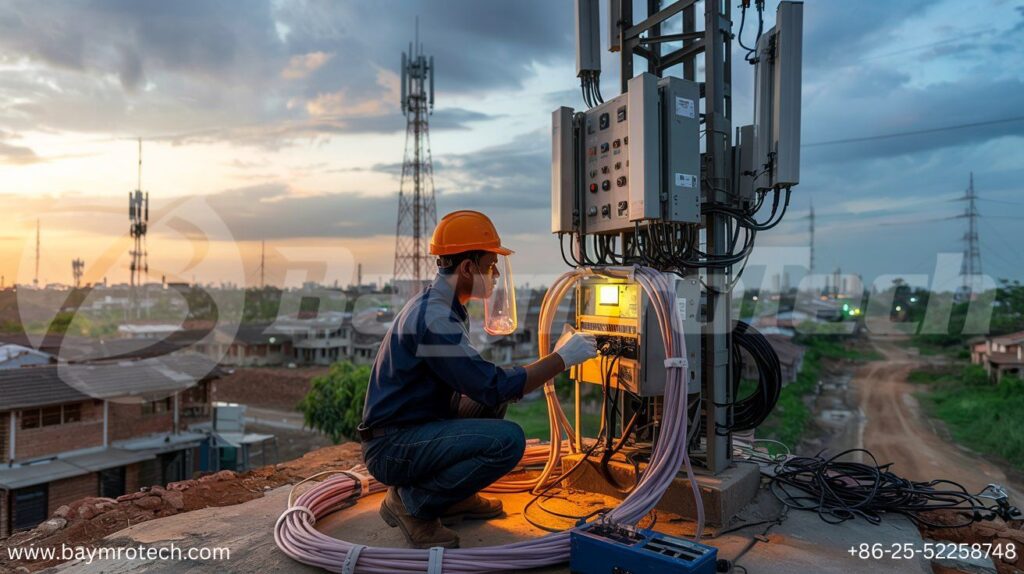

Have you ever been in the middle of an important video call, only for the connection to glitch out right when you’re about to close the deal? Or maybe you’ve walked into a server room where cables look like a plate of spaghetti, making you question how anyone keeps things running. Both scenarios highlight a common pain point: networks that aren’t structured for reliability. The truth is, without the right backbone—specifically fiber patch panels—networks are more prone to downtime, costly maintenance, and endless frustration.
The Hidden Hero of Network Infrastructure
When most people think of networking, they picture routers, switches, modems, or even shiny fiber optic cables. But there’s one component that quietly does the heavy lifting in the background: the fiber patch panel.
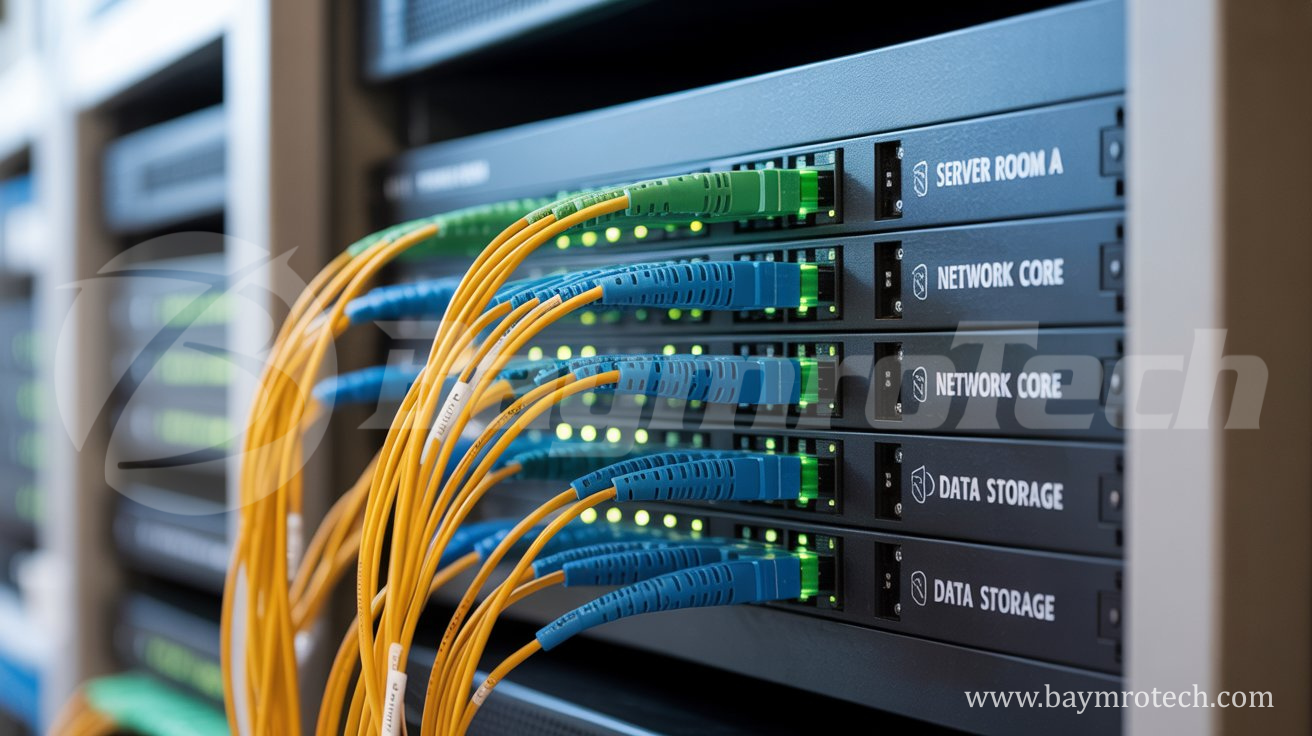
A fiber patch panel acts like a central hub that organizes, connects, and protects your fiber cables. Imagine trying to run a city without a solid grid system for roads. You’d have chaos, crashes, and wasted time. That’s exactly what happens when cables aren’t properly managed—chaos in your data traffic.
So, why is this unsung hero so critical for building a reliable, scalable, and stress-free network? Let’s dig in.
What Is a Fiber Patch Panel?
Think of it as the control center of your cabling system. A fiber patch panel is a mounted hardware unit where multiple fiber optic cables come together. It provides organized connection points (patch points) for incoming and outgoing lines, ensuring each cable is mapped and easily manageable.
In practical terms, it helps:
- Organize cables so they’re not tangled or damaged.
- Protect fragile fiber connections from dust, bending, or breakage.
- Simplify troubleshooting by making it obvious which cable belongs where.
- Support scalability, letting you add new devices, cables, or upgrades without the chaos.
Why Patch Panels Prevent Network Nightmares
Here’s something that might surprise you: according to Gartner, IT downtime costs businesses an average of $5,600 per minute. That’s not just lost revenue—it’s lost trust, broken productivity, and sometimes even legal trouble if sensitive data is compromised.
Patch panels reduce that risk in several ways:
- Cleaner organization = faster troubleshooting. Instead of pulling random cables and hoping for the best, you know exactly where to look.
- Reduced wear and tear. Directly plugging and unplugging cables from switches wears ports out fast. Using a patch panel extends equipment lifespan.
- Flexibility for upgrades. Expanding your network doesn’t require a full rebuild—just re-patching at the panel.
- Lower maintenance costs. Technicians spend less time guessing, saving your business real money.
It’s like having labeled drawers in your kitchen. Sure, you could toss everything into one messy cupboard, but when you’re hunting for the spatula with guests over, you’ll wish you’d taken the time to organize.
The Bigger Picture: Reliability and Scalability
Networks aren’t static. Businesses evolve, users grow, and technologies demand faster and more stable connections. Without patch panels, every upgrade becomes a headache. With them, the foundation is already set.
- Scalability: Adding a new workstation? Connecting more servers? Easy. Just patch in new lines.
- Future-proof stability: As fiber dominates modern infrastructure, patch panels keep your investments secure. According to Cisco’s Annual Internet Report, average broadband speeds are expected to triple within the next few years. Without a structured system, meeting those demands will become nearly impossible.
- Minimizing downtime: Downtime isn’t just costly in dollars; it kills productivity and morale. An organized cabling system helps keep everyone online and confident.
Real-World Example
Let me share a quick story. A small IT firm I worked with had constant complaints from their clients about delayed updates and frequent outages. When I peeked into their server room, it looked like a horror movie—a jungle of mismatched cables strung everywhere, with no documentation or patching system.
After installing fiber patch panels and reorganizing their cabling, the difference was night and day. They went from scrambling during every issue to resolving problems in minutes. Within six months, reported downtimes dropped by 70%, saving them clients—and their sanity.
How to Get the Most Out of Your Patch Panel
If you’re considering investing in a fiber patch panel, here are a few practical tips:
- Choose the right size. Don’t buy too small—plan ahead for growth.
- Label everything. Future you (and your IT team) will thank you.
- Invest in quality. Cheap panels might save money upfront but can lead to costly failures down the line.
- Train your team. Even the best patch panel won’t help if nobody knows how to use it.
For more guidance on setting up reliable systems, you can explore the networking solutions we share at Baymro Tech Electric.
Why This Matters for Your Business
At the end of the day, a fiber patch panel isn’t just hardware. It’s peace of mind. It ensures your business can run smoothly, your IT team can work smarter, and your infrastructure is ready for whatever comes next.
If you’re serious about reliability, scalability, and protecting your bottom line, a properly installed patch panel is not optional—it’s essential.
Conclusion
Reliable networks aren’t built by chance. They’re built by design. And at the heart of that design is the fiber patch panel. Without it, you risk tangled chaos, costly downtime, and endless frustration. With it, you gain clarity, stability, and the blueprint for growth.
So, the next time you log into that crucial meeting or stream gigabytes of data without a glitch, remember: there’s an unsung hero behind the scenes keeping it all together.
Ready to strengthen your network infrastructure? Dive deeper into our resources at Baymro Tech Electric, or reach out to our team of experts to see how we can help your business build a better backbone.