
Did you know that the global telecom industry is responsible for nearly 2% of the world’s total carbon emissions—about the same as the entire aviation sector1? As our appetite for faster, more reliable internet grows, so does the environmental impact of the networks powering our digital lives. If you’ve ever wondered whether there’s a greener way to stay connected, you’re not alone. The good news? Eco-friendly fiber optic solutions are paving the way for a more sustainable future in telecom, and you can be part of the change.
Why Sustainability Matters in Telecom
Let’s face it: our world runs on connectivity. But behind every video call, streaming binge, and smart device is a vast infrastructure that consumes energy, uses raw materials, and generates waste. Traditional copper networks, in particular, are notorious for their high energy consumption and environmental footprint—from resource-intensive mining to frequent hardware replacements23. As demand for bandwidth skyrockets, so does the urgency to find sustainable alternatives.
Fiber Optic Cable: The Eco-Friendly Game Changer
So, what makes fiber optic cable a sustainability superstar? In short, it’s all about efficiency, durability, and a lighter touch on the planet.
Energy Efficiency: Doing More with Less
Fiber optic cables transmit data using light, not electricity. This means they require far less energy than copper cables, especially over long distances234. Imagine sending a message across the country without needing a dozen energy-hungry amplifiers along the way. That’s the magic of fiber optics—minimal resistance, less signal loss, and a dramatically lower energy footprint.
- Fact: Fiber optic networks can reduce operational energy consumption by up to 60% compared to copper-based systems23.
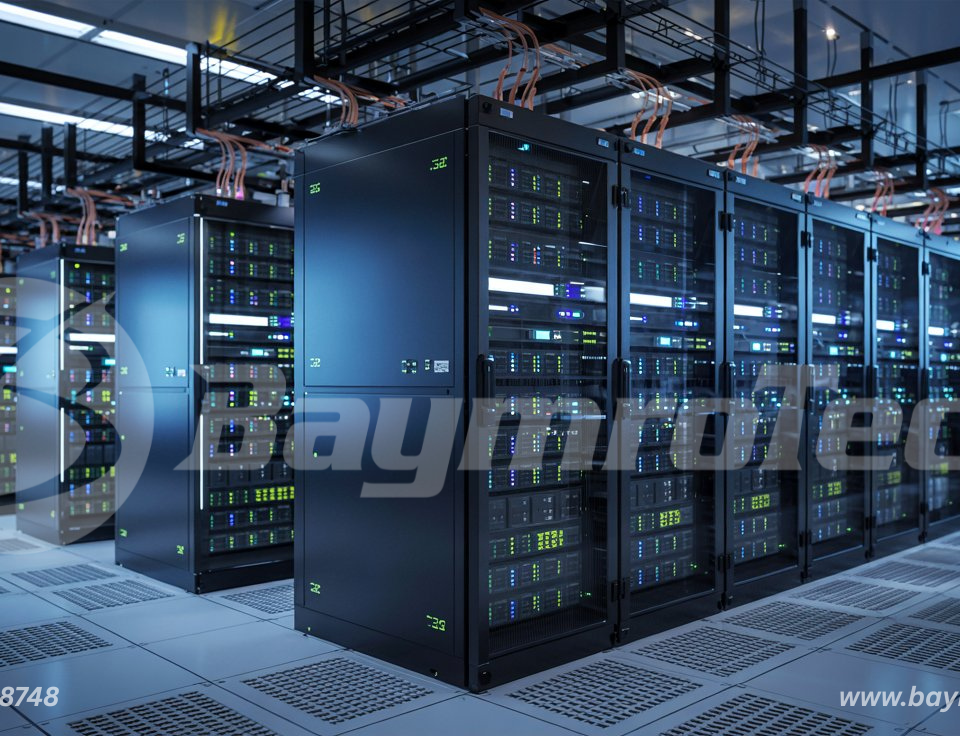
- Real-world impact: Data centers, notorious for their electricity use, benefit from fiber’s efficiency, leading to lower cooling costs and smaller carbon footprints4.
Reduced Carbon Footprint: Greener Materials, Cleaner Operations
Copper mining is messy business—think soil contamination, water pollution, and greenhouse gas emissions3. Fiber optic cables, on the other hand, are made primarily from silica (a form of sand), which is abundant and less environmentally taxing to extract4. Plus, the manufacturing process, while energy-intensive, generally has a lower overall impact than copper alternatives.
- Bonus: Fiber optic cables are lighter and thinner, meaning less material is needed for installation and transportation—further shrinking their environmental impact3.
Less Electronic Waste: Built to Last
Ever had to replace a fraying copper cable? You’re not alone. Copper networks degrade faster, leading to more frequent replacements and more e-waste piling up in landfills. Fiber optic cables boast a lifespan of 25–30 years, slashing the need for constant upgrades4.
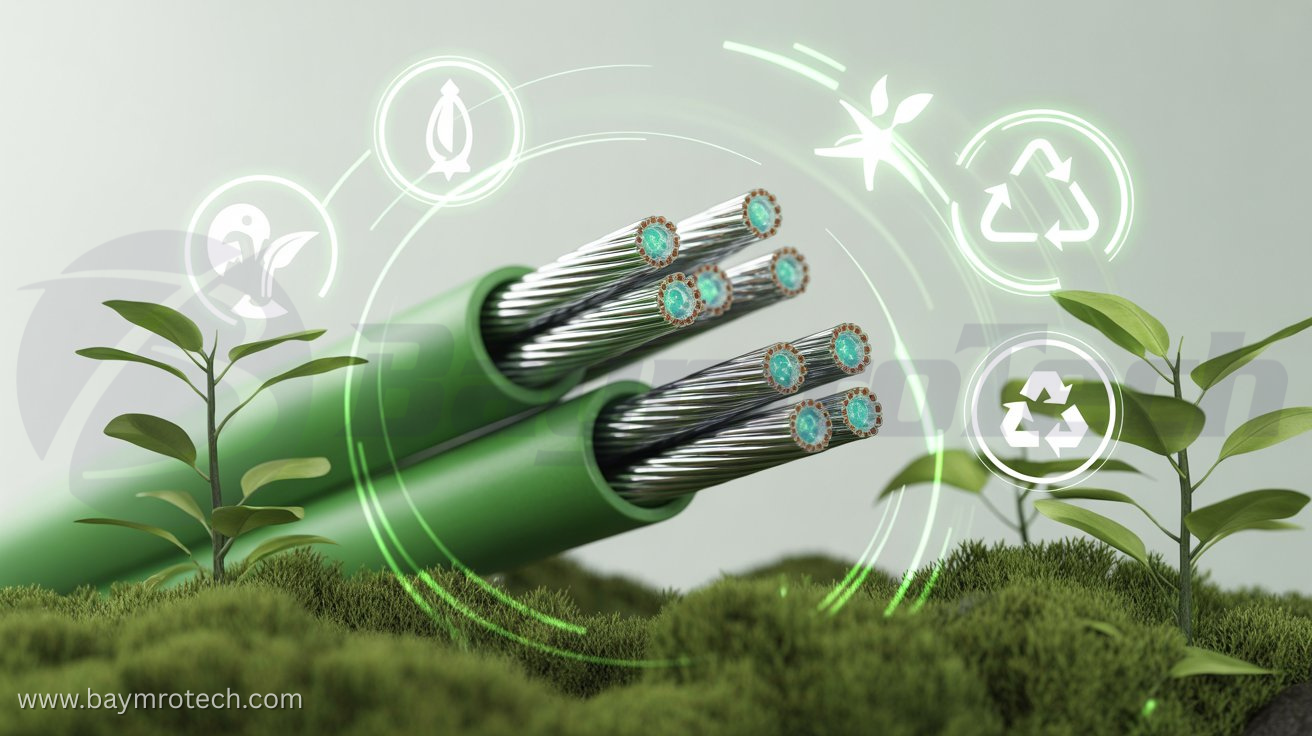
- Eco-tip: The glass and plastics used in fiber cables are recyclable, making disposal more environmentally friendly and supporting the circular economy25.
Business Benefits: Sustainability That Pays Off
Switching to fiber isn’t just good for the planet—it’s smart business.
- Lower operating costs: Reduced energy use means lower electricity bills and less money spent on cooling equipment2.
- Future-proofing: As regulations tighten and consumers demand greener options, companies that invest in sustainable networks gain a competitive edge15.
- Reliability: Fiber’s durability translates to fewer outages and maintenance headaches—a win for both your bottom line and your peace of mind.
Overcoming the Challenges
Of course, no solution is perfect. Manufacturing fiber optic cable still requires significant energy, especially during the glass-drawing process4. Installation can temporarily disrupt local ecosystems, particularly when laying undersea cables4. However, compared to the ongoing environmental toll of copper, fiber’s long-term benefits are clear.
The telecom industry is also exploring ways to further reduce its footprint, such as using renewable energy in manufacturing and adopting circular design principles for network equipment5. Collaboration across the supply chain is key—no one can solve these challenges alone1.
How You Can Make a Difference
Whether you’re a business leader, network manager, or eco-conscious consumer, you have a role to play in building a greener telecom future:
- Choose sustainable suppliers: Look for manufacturers who prioritize eco-friendly practices. At Baymro Technology, we offer a wide range of fiber optic cable solutions designed for durability, efficiency, and minimal environmental impact.
- Upgrade your infrastructure: Replacing outdated copper with fiber isn’t just an upgrade in speed—it’s an investment in sustainability. Learn more about our custom fiber optic solutions and how they can fit your unique needs.
- Advocate for greener policies: Support initiatives that encourage renewable energy use and responsible e-waste management in the telecom sector65.
The Road Ahead: Greener Networks, Brighter Future
Fiber optic cable is more than just a technological leap—it’s a vital step toward a sustainable, connected world. By embracing eco-friendly fiber solutions, we can reduce emissions, conserve resources, and build networks that serve both people and the planet.
Ready to future-proof your network and join the green revolution? Explore more about our premium fiber optic cable offerings at Baymro Technology, or reach out to our team for personalized advice. Have questions or thoughts about sustainable telecom? Drop a comment below—we’d love to hear from you!
Let’s connect for a cleaner, faster, and more sustainable tomorrow.