

Ever wondered why that shiny new telecom equipment you ordered sometimes feels like it’s on a slow boat around the world—twice? Or maybe you’ve felt that anxiety spike as you try to decipher another country’s import regulations, all while crossing your fingers your fiber optic pigtail order shows up undamaged. As businesses digitize and network demands skyrocket, getting telecom equipment—especially sensitive components—across global borders has never been more complex or critical.
In this post, we’ll break down the biggest pain points importers face, sprinkle in a few war stories, and give you a toolkit for smoother, safer, and faster telecom logistics. Whether you’re a seasoned pro or just starting out, here’s what you need to know to keep your global connections humming.
Why Global Shipping of Telecom Equipment Is a Big Deal
Let’s level with each other: telecom hardware—core switches, servers, routers, even that humble fiber optic pigtail—are not like your average shipment of phone cases. They’re expensive, delicate, and sometimes, on the cutting edge today but obsolete tomorrow. A single misstep in transit or a slip with compliance paperwork can mean weeks (sometimes months) of costly delays.
Imagine a scenario: You need a new batch of equipment for a 5G rollout. The gear is delayed at customs because the approval paperwork isn’t quite right, or worse, new regulations snuck in while your shipment was at sea. Meanwhile, your project is stalled, competitors are speeding ahead, and customers are asking where their ultra-fast internet is. Sound familiar?
Key Challenges When Shipping Telecom Equipment Worldwide
1. Ever-Changing Regulations & Approvals
Importing telecom equipment isn’t a universal, one-size-fits-all affair. Every country has its own regulations, paperwork, and approval processes. You’ll likely encounter:
- Type Approval: Most countries require “type approval” ensuring what you ship meets local safety and technical standards (think FCC in the USA, CE in Europe).
- Company and Tax Registration: A valid registration as a business and proof you’re legit in the eyes of local law.
- Import Licenses: Sometimes optional, often mandatory—import licenses are how governments keep tabs on what (and who!) is bringing tech into their markets.
Tip: Internal resources like Baymrotech’s Regulatory Compliance FAQ can help you stay updated on local rules and changes for your destination markets.
2. Delicate Cargo & Specialized Logistics
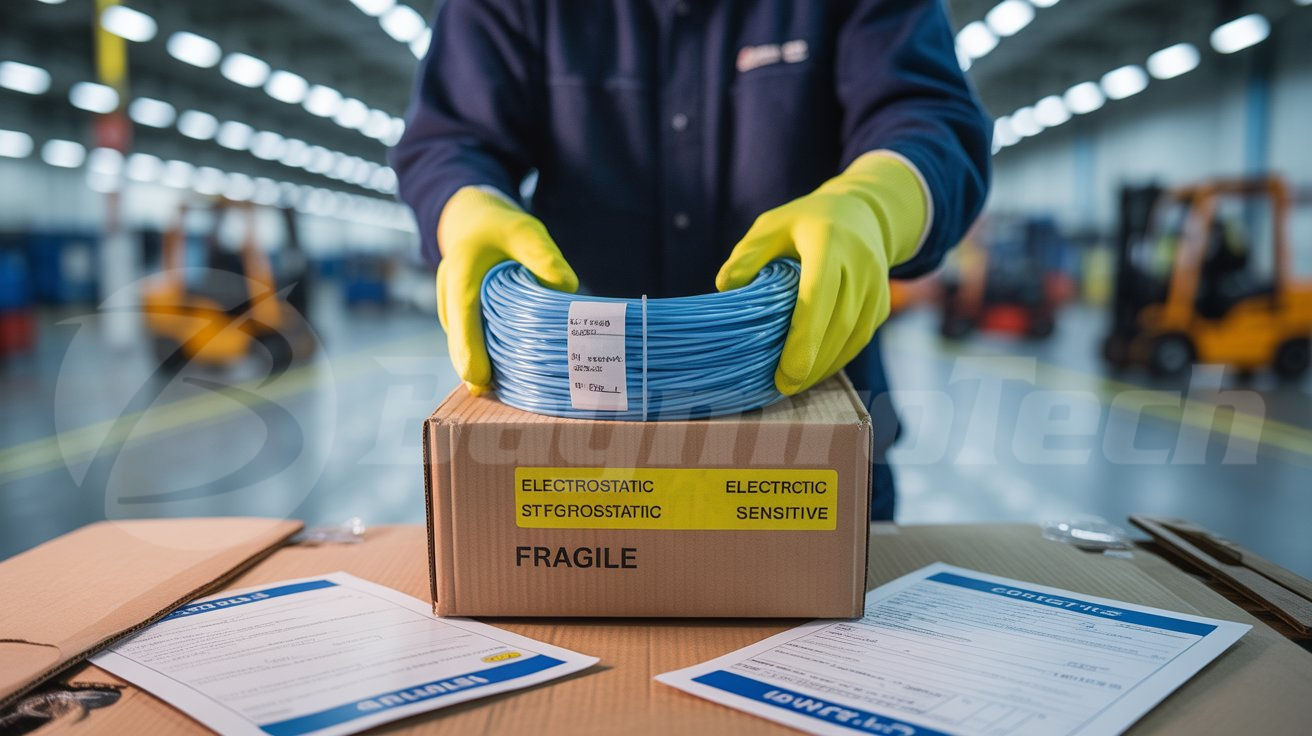
Telecom equipment is fragile. Fiber optic gear, like fiber optic pigtails, demand extra care—temperature controlled conditions, secure packaging, and careful handling to avoid micro-fractures or contamination.
Here’s what to watch for:
- Don’t ever pick up gear by the pigtail (no matter how tempting) – it can cause invisible damage.
- Use anti-static, tamper-proof, and clearly labeled packaging to easily clear customs and minimize breakage.
- Partner with logistics firms that specialize in high-tech and network hardware, not generic freight.
Real-world flashback: A tech client who skimped on specialty packing learned the hard way. Their fiber optic gear arrived with micro-cracks, invisible at first but fatal for network performance down the line!
3. Supply Chain and Last-Mile Headaches
Tech moves fast… but global shipping? Not so much. Supply chain vulnerabilities, ranging from chip shortages to pandemic-era bottlenecks, can throw even the best-laid plans off track. Then there’s last-mile delivery—urban logistics, scheduling installers for on-site setup, and coordinating between customs, carriers, and service providers.
Mitigation strategies:
- Diversify your suppliers and logistics partners to avoid bottlenecks.
- Increase inventory buffers for mission-critical parts like transceivers or pigtails.
- Track shipments in real time—transparency is peace of mind!
- Consider a global provider with an established customs network.
Compliance, Documentation, and “ROR” (Regret of Regulation)
Nobody loves paperwork, but missing one critical document can lead to expensive delays or even return shipments.
- Double-check you have: Type approval certificates, import/export licenses, company registration, and conformity certs for technical standards (sometimes called CoC).
- Check the expiration dates—yes, they can expire.
- For wireless hardware: Make sure you or your customer have the right frequency authorizations.
Pro tip: Save yourself headaches with Baymrotech’s Import Guidance for Telecom channel to clarify what’s needed up front.
Best Practices for Shipping Fiber Optic Pigtail and Sensitive Telecom Gear
- Handle with kid gloves. (Or, at least, anti-static, ESD gloves.) Don’t bend or twist pigtails beyond the manufacturer’s specs.
- Always read and follow all handling and shipping instructions—what works for patch panels may wreck a fiber pigtail.
- Store unused lengths of fiber in the splice tray, making sure not to coil below the critical bend radius—usually at least 75mm diameter.
- Use only proven suppliers and shippers who understand the unique needs of telecom equipment. Cheap rarely means cheerful here.
Global Trade Barriers, Tariffs, and the IOR Lifeline
From import duties (which can reach 10% or higher for some products) to trade wars and ever-updating tariff lists, the financial side of shipping can sting. Consider the Importer of Record (IOR) service: A reputable IOR can help you manage local customs, compliance, pay duties, and ensure all boxes are ticked so your shipment gets through the door, not stuck in a warehouse limbo.
External tip: This overview from TechX breaks down the ins and outs of tech shipment challenges around the world.
Final Words: Knowledge = Fewer Surprises
To master the global game of shipping telecom equipment:
- Stay obsessively up-to-date with regulations.
- Partner only with proven, specialized logistics vendors.
- Invest in proper compliance documentation and customs prep.
- Handle gear with care (especially those precious fiber optic pigtails!).
- Don’t go it alone—tap into internal resources like Baymrotech’s Telecom Resource Center and reach out to industry authorities for support.
With these best practices, you’ll spend a lot less time troubleshooting border issues, and a lot more time building the robust, next-generation networks your customers need.
Ready to level up your global telecom logistics? Explore more expert guides on our resource center or contact the Baymrotech team for hands-on support—and never let international borders slow your network down again!