Ever wondered how your favorite streaming show loads in seconds, or why your video call doesn’t freeze mid-sentence? Here’s a secret: it’s not just about fast internet—it’s about what’s happening deep inside your network, where light zips through glass fibers at nearly the speed of, well, light! But there’s a hidden cast of heroes making this magic happen: passive optical components. If you’ve ever experienced a dropped connection or slow speeds, you’re not alone. The real culprit might be lurking in the very backbone of your network infrastructure. Let’s pull back the curtain and see why these unsung components are so critical—and how they can make or break your digital world.
The Basics: What Are Passive Optical Components?
Let’s start simple. Passive optical components are the silent workhorses in your fiber optic network. Unlike active components (think lasers or amplifiers) that need power to operate, passive components do their job with zero electricity. They manage, direct, split, and filter light signals as they travel through your fiber optic cable, ensuring your data reaches its destination quickly and intact.
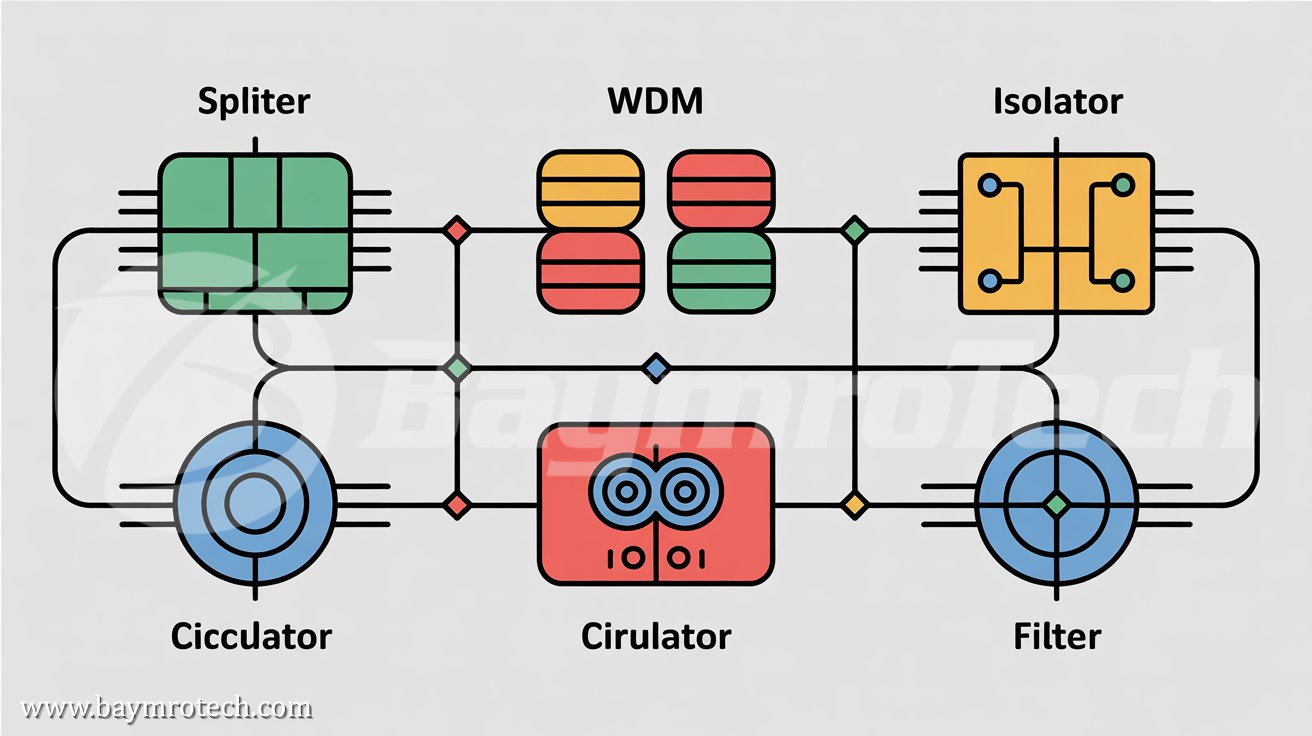
Common Types of Passive Optical Components
- Optical Splitters/Couplers: Divide one light signal into several, or combine multiple signals into one. Perfect for sharing bandwidth efficiently.
- Wavelength Division Multiplexers (WDMs): Merge or split light of different wavelengths, boosting your network’s capacity without adding more cables.
- Optical Isolators: Keep light moving in one direction, preventing pesky reflections that can disrupt your connection.
- Optical Circulators: Direct light signals through multiple ports, like a traffic cop for your data.
- Optical Filters: Block or transmit specific wavelengths to keep your signal clean and clear.
- Fiber Bragg Gratings (FBGs): Reflect certain wavelengths while letting others pass, stabilizing your network in long-haul applications.
Why Should You Care? The Critical Role of Passive Optical Components
Imagine building a highway with no signs, exits, or lanes. Chaos, right? That’s what a fiber optic network would look like without passive optical components. Here’s why they matter:
1. Reliability Without Power
Passive components don’t need electricity to function. That means fewer things can go wrong—no power failures, no overheating, and less maintenance. This reliability is crucial for remote or hard-to-reach locations, like undersea cables or rural broadband networks.
2. Signal Integrity Over Long Distances
Ever had a call drop because the signal faded? Passive optical components minimize signal loss and noise, keeping your data strong and clear over thousands of kilometers. WDMs, isolators, and filters all work together to preserve the quality of your connection, even across continents.
3. Scalability and Flexibility
Need to upgrade your network as your business grows? Passive optical components like splitters and WDMs let you expand capacity without laying down new fiber. That means cost-effective upgrades and future-proofing your investment.
4. Low Maintenance, Long Lifespan
With no moving parts or electronics, passive components last longer and require less upkeep. That’s more uptime and less hassle for you and your IT team.
Real-World Example: How Passive Components Save the Day
Let’s say you’re running a busy office, and everyone’s streaming, uploading, and video conferencing at once. Suddenly, the network slows to a crawl. The culprit? An overloaded splitter or a faulty connector. With high-quality passive optical components (like those from Baymro Technology), you get robust performance and fewer headaches. It’s like upgrading from a rickety wooden bridge to a modern, multi-lane expressway.
Inside the Fiber Optic Cable: The Journey of Light
A quick detour: what’s actually inside a fiber optic cable? Here’s a peek:
- Core: The super-thin glass strand that carries light signals.
- Cladding: Surrounds the core, keeping light contained.
- Coating: Protects the core and cladding from damage.
- Strengthening Fibers: Add durability.
- Cable Jacket: The tough outer layer that shields everything inside.
If you’re curious about the nuts and bolts, check out our detailed guide to fiber optic cable construction.
Industry Insights & Expert Opinions
Don’t just take our word for it. According to a recent market analysis, passive optical components are a multi-billion-dollar industry, and their role is only growing as data demands skyrocket. Experts at TechTarget agree: passive optical networks are more cost-effective and energy-efficient than traditional copper or active networks, making them the backbone of modern telecom and data centers.
How to Choose the Right Passive Optical Components
Not all components are created equal. Here’s what to look for:
- Quality Materials: Look for components made from high-grade silica glass or specialized plastics for optimal performance.
- Compatibility: Make sure your splitters, WDMs, and connectors match your existing network setup.
- Supplier Reputation: Work with trusted suppliers like Baymro Technology—our customers trust us for reliability and innovation.
Pro tip: Investing in quality now saves you time, money, and headaches down the road.
Where Do Passive Optical Components Fit in Your Network?
You’ll find these components everywhere, from the backbone of the internet to your office’s local network. They’re especially critical in:
- Telecom Backbone Networks: Keeping global communications running smoothly.
- Data Centers: Ensuring high-speed, low-latency connections between servers.
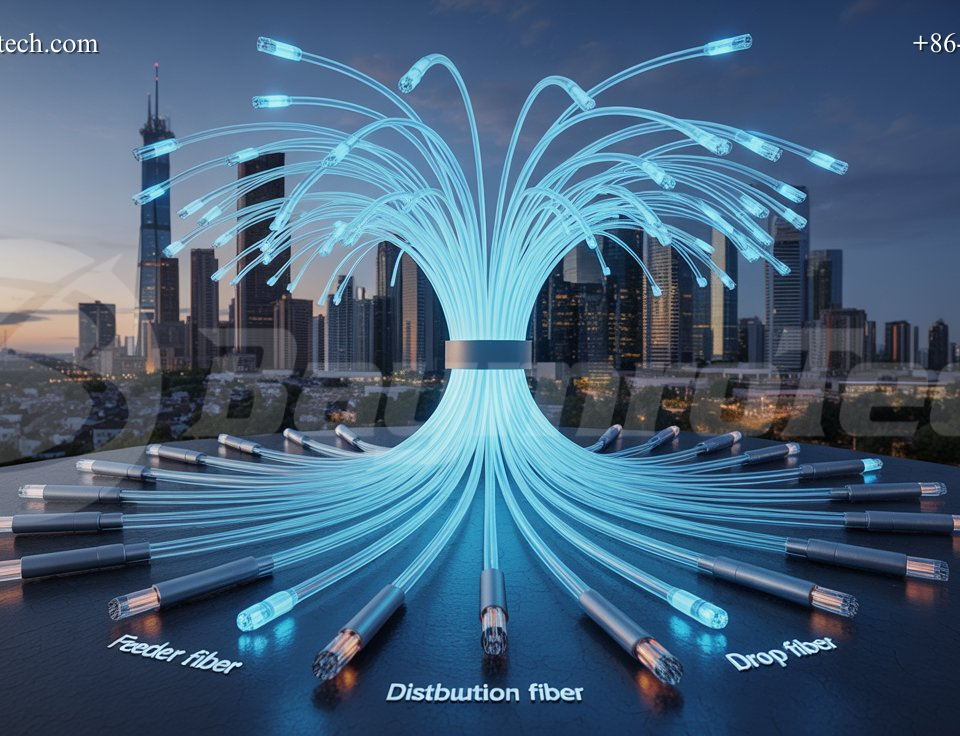
- FTTH (Fiber to the Home) Deployments: Bringing lightning-fast internet to your doorstep.
Want to learn more about how these components power your network? Explore our comprehensive resource center.
Key Takeaways
- Passive optical components are essential for reliable, scalable, and high-performance fiber optic networks.
- They work without power, require minimal maintenance, and keep your data moving at the speed of light.
- Investing in quality passive components means fewer outages, better performance, and a future-ready network.
Ready to Upgrade Your Network?
Don’t let outdated or low-quality components slow you down. Explore our range of passive optical components or contact our team for expert advice. Have a question or a story to share? Drop a comment below—we’d love to hear from you!