
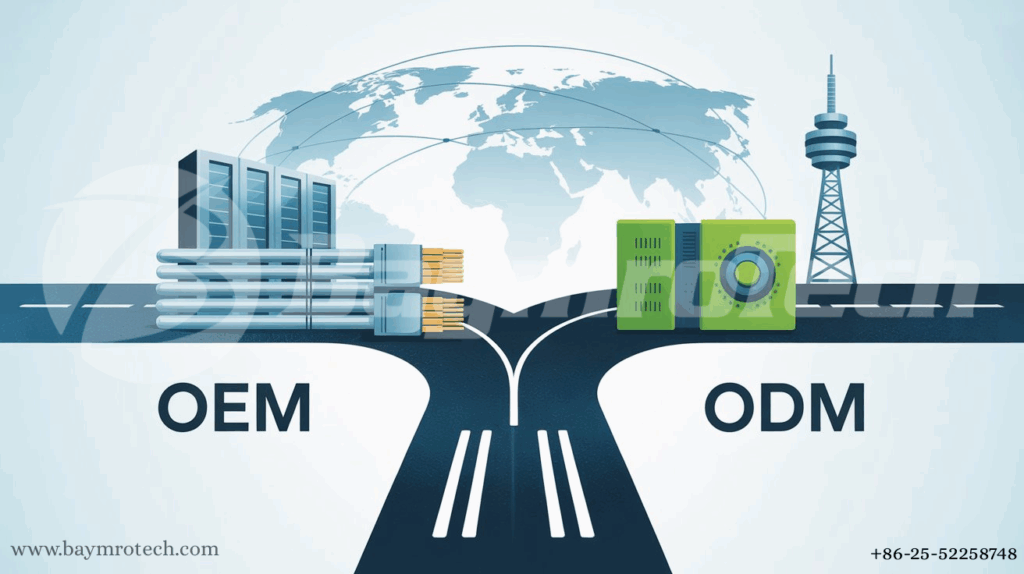
Ever felt overwhelmed by the choices when sourcing telecom equipment? You’re not alone. The global telecom market is a maze of technical jargon, endless product catalogs, and—perhaps most confusing—terms like OEM and ODM. If you’re a buyer trying to decide how to source MPO/MTP Adapter/Cassette/Patch Cord/Loopback/Patch Panel solutions, understanding the difference between OEM and ODM could save you time, money, and a few headaches down the road.
Let’s break down what these terms mean, why they matter for your business, and how you can make smarter decisions for your next big telecom project.
OEM vs ODM: The Basics
What is OEM?
OEM (Original Equipment Manufacturer) refers to a company that manufactures products based on another company’s design and specifications. In telecom, this means you (the buyer) control the design, branding, and quality standards, but outsource the actual manufacturing to a specialized partner. Think of it as writing your own recipe and hiring a chef to cook it exactly as you want.
Key Benefits of OEM:
- Brand Control: You get to put your brand, logo, and unique features front and center.
- Customization: Products are built to your exact specifications—perfect for unique network requirements.
- Quality Assurance: You set the quality bar, and the manufacturer follows your lead.
The Catch: More control often means more responsibility (and cost). You’ll need to invest in R&D, manage detailed specs, and possibly face longer lead times.
What is ODM?
ODM (Original Design Manufacturer), on the other hand, is like picking a dish off a chef’s menu and adding your own twist. The manufacturer designs and produces the product, and you simply brand and sell it. In telecom, this is ideal for buyers who want reliable, ready-to-go solutions without reinventing the wheel.
Key Benefits of ODM:
- Cost-Effective: Lower upfront investment—no need to build your own design team or factory.
- Faster Time-to-Market: Products are already developed and tested.
- Reduced Workload: The ODM handles design, compliance, and sometimes even certification.
The Catch: Customization is limited. You’re working from the manufacturer’s existing designs, so you may have to compromise on certain features.
Why Does It Matter in Telecom?
Telecom networks demand high performance, reliability, and scalability. Whether you’re sourcing MPO/MTP Adapter/Cassette/Patch Cord/Loopback/Patch Panel solutions or building out a new data center, your choice between OEM and ODM will impact:
- Network Performance: Custom OEM designs can be tailored for specific bandwidth, density, or environmental needs. ODM solutions, while standardized, are often optimized for broad compatibility and rapid deployment.
- Budget and Resources: OEM gives you control but requires more investment; ODM lets you launch quickly with less overhead.
- Brand Strategy: If your business hinges on unique features or strong brand identity, OEM is usually the way to go. For price-sensitive, fast-moving markets, ODM may be more practical.
Real-World Example: Choosing MPO/MTP Solutions
Imagine you’re tasked with upgrading a global telecom network to support 400G Ethernet. You need high-density, reliable connectivity—think MPO/MTP cassettes, patch panels, and cables.
- OEM Approach: You work with a manufacturer to develop custom MPO/MTP cassettes that fit your unique rack design and branding. You specify fiber count, connector type, and even the color coding for easier field installation. The result? A solution that’s perfectly tailored, but it takes longer and costs more upfront.
- ODM Approach: You select pre-designed MPO/MTP patch panels and cassettes from a trusted supplier’s catalog. They’re already tested, certified, and ready to ship. You add your logo, maybe tweak the labeling, and deploy them worldwide. Fast, efficient, and cost-effective—but perhaps not as unique as your competitors’ offerings.
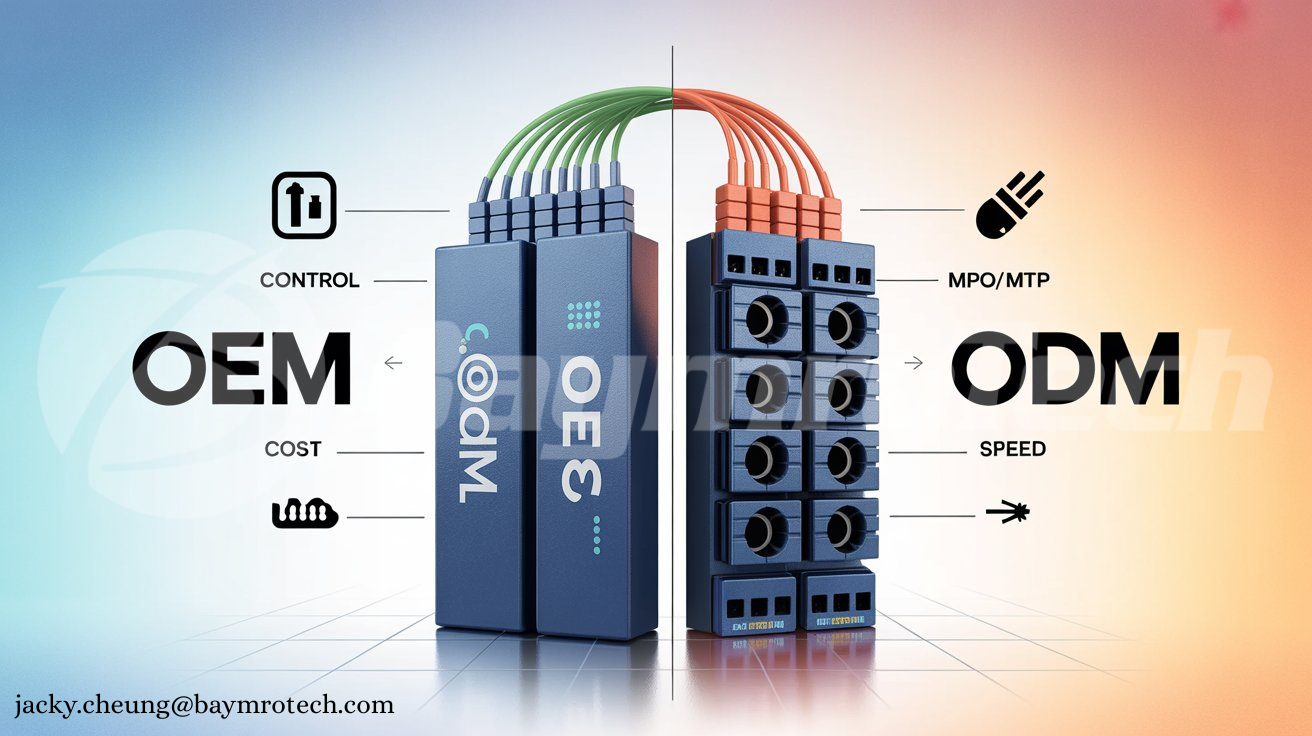
How to Decide: OEM or ODM for Your Telecom Needs?
Here’s a quick decision checklist:
- Choose OEM if:
- You need full control over product specs and branding.
- Your network has unique requirements (e.g., custom fiber routing, special environmental ratings).
- You’re building a premium brand and want to differentiate on features and quality.
- Choose ODM if:
- Speed and cost are your top priorities.
- Your requirements are standard or you’re entering a new market with limited resources.
- You want to minimize risk and leverage proven designs.
Pro Tips for Global Buyers
- Ask About Compliance: Whether OEM or ODM, ensure products meet relevant telecom standards (like TIA-568, TIA-604-5 for MPO/MTP cables).
- Check Supplier Experience: Look for partners with a track record in telecom and data center solutions. For example, Baymrotech’s MPO/MTP product line offers both custom OEM and ready-to-go ODM options.
- Plan for Scalability: As your network grows, can your supplier scale production? Can you easily add new features or configurations?
- Balance Cost vs. Value: Don’t just chase the lowest price. Consider long-term reliability, support, and upgrade paths.
Internal Resources to Explore
- Dive deeper into Baymrotech’s MPO/MTP Patch Panel solutions to compare OEM and ODM options.
- Learn about the latest trends in fiber optic connectivity and how they impact your sourcing strategy.
Industry Insights
For more on the differences between OEM and ODM in electronics and telecom, check out this [comprehensive guide from SOS Inventory]. And for a technical deep dive into MPO/MTP cables and their role in modern networks, [Connector Supplier’s article] is a must-read.
Final Thoughts
Choosing between OEM and ODM isn’t just about cost—it’s about aligning your sourcing strategy with your business goals, technical needs, and brand vision. Whether you’re rolling out a global network or upgrading a single data center, understanding these models will help you make smarter, more confident decisions.