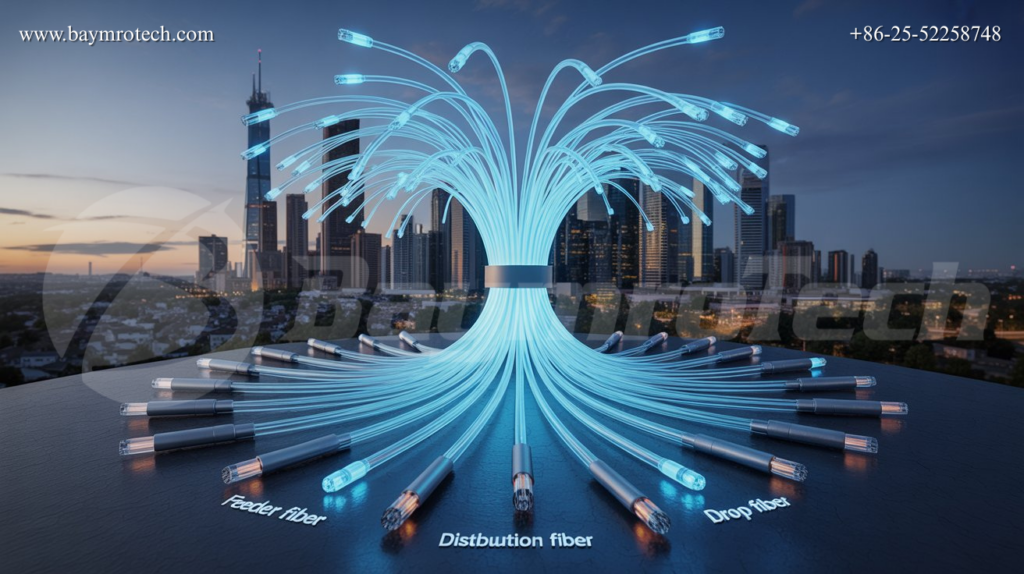

Ever wonder how you can stream a movie, video chat across continents, or download large files within seconds? It’s all thanks to a marvel hiding beneath our streets, walls, and even oceans: fiber optic networks. If terms like “fiber optic cable” sound mysterious, you’re not alone. Many people still picture internet traveling through copper wires and tangled cords—and are missing out on the incredible story of how information zooms around the globe at nearly the speed of light.
Let’s crack the mystery and turn you into a fiber optic pro. If you’re curious, frustrated with slow speeds, or just want to impress your friends at the next trivia night, keep reading: we’ll break down the basics of fiber optic networks in a way anyone can understand.
Why Should You Care About Fiber Optics?
Maybe you’ve bumped into the issue: laggy internet, lost signals, dropped calls. Annoying, right? Traditional copper cables can only handle so much—slower speeds, shorter distances, and let’s not even talk about interference every time the blender is on. Fiber optic cable is the hero that solves these pain points, bringing faster, more reliable connections to homes, businesses, and even entire cities.
If you’re on the hunt for blazing-fast internet, secure communication, or robust infrastructure for your growing business, fiber optic technology isn’t just the future—it’s the now.
Fiber Optic Cable 101: What Is It?
Picture this: fiber optic cable looks nothing like the thick old TV cords stashed behind your couch. Instead, it’s made with strands of ultra-pure glass or plastic, each thinner than a human hair. Inside these tiny strands, light pulses speed back and forth, carrying digital data across vast distances.
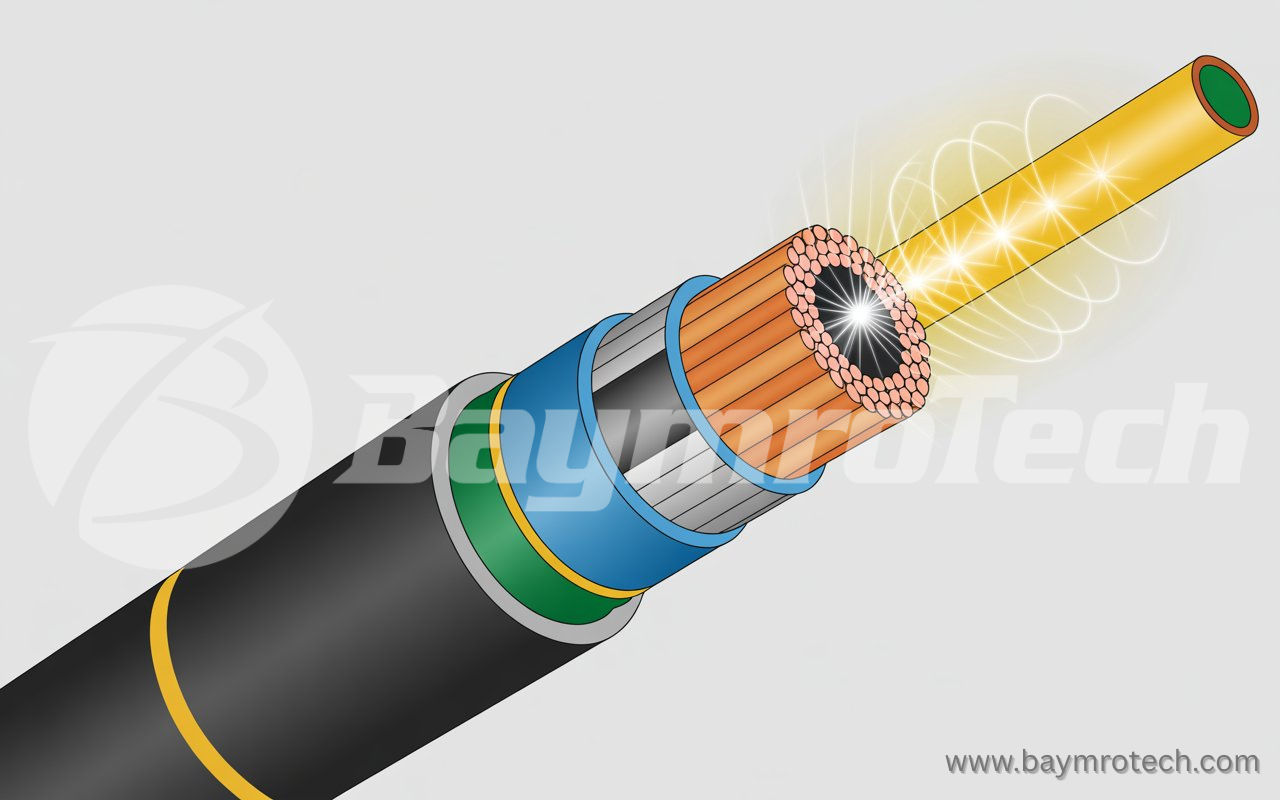
Every fiber optic cable is constructed with three main layers:
- Core: The innermost part, where light travels.
- Cladding: This glass or plastic layer wraps around the core and keeps those light signals bouncing inside (think of pinball walls for lasers).
- Buffer (Jacket): The protective outer coating shields the delicate strands from moisture, bends, and everyday hazards.
Here’s where the fun part begins: data gets turned into flashes of light—via lasers or LEDs—and sent through the cable’s core. Thanks to physics (hello, total internal reflection!), the light zig-zags through the core and cladding, staying trapped inside rather than leaking out. This nifty trick means minimal signal loss and super-speedy transmission.
How Does Fiber Optic Data Transmission Really Work?
Let’s break it down step-by-step:
- Conversion: Your text, video, or call is converted from an electrical signal into pulses of laser or LED light by a transmitter.
- Travel: Those light pulses shoot down the fiber optic core, bouncing off the cladding to stay on course.
- Reception: At the destination, a receiver turns the flashes of light back into electrical signals your devices can understand.
- Multiplexing: To maximize efficiency, sophisticated techniques allow multiple signals (at different wavelengths) to travel inside a single fiber—multiplying bandwidth without laying new cable.
Got a visual? Imagine cars speeding down a tunnel, each in its own lane, never crashing. That’s fiber optic transmission.
Types of Fiber Optic Cables
Not all fiber is the same! Let’s talk flavors:
- Single Mode Fiber: Has a super-tiny core (around 9μm diameter), sending light straight down the center for minimal signal loss. Perfect for long-distance runs (think dozens of miles), like backbone networks or undersea cables.
- Multimode Fiber: Features a bigger core (about 50–62.5μm), allowing multiple light paths. Suits short-range, high-speed jobs—like networking within data centers or local business campuses.
The right option depends on your needs—distance, speed, and budget.
The Big Advantages: Why Fiber Optics Win
Here’s where fiber optic networks leave copper in the dust:
- Jaw-dropping Speed: Fiber can transmit data at rates up to 10Gbps and beyond—easily 10-20x faster than regular cable or DSL internet.
- Long Distance: Unlike copper, which drops off after a few hundred feet, fiber signals can travel tens of miles without losing speed or quality.
- Immunity to Interference: Since signals are made of light, they don’t suffer from electromagnetic interference. No more dropped signals when the microwave starts!
- Reliability: Fiber doesn’t rely on electrical currents, so it keeps working even during power outages (as long as the cable stays intact).
- Security: Tapping into a fiber optic cable is tough—making it ideal for secure, sensitive communications.
- Low Maintenance: Fewer repairs, less downtime, longer lifespan.
Want more details on the practical applications? Dive into our guide to fiber optic applications at BaymroTech or read up on network installation tips to see how your business can benefit.
Real World Connection: Why It Matters to YOU
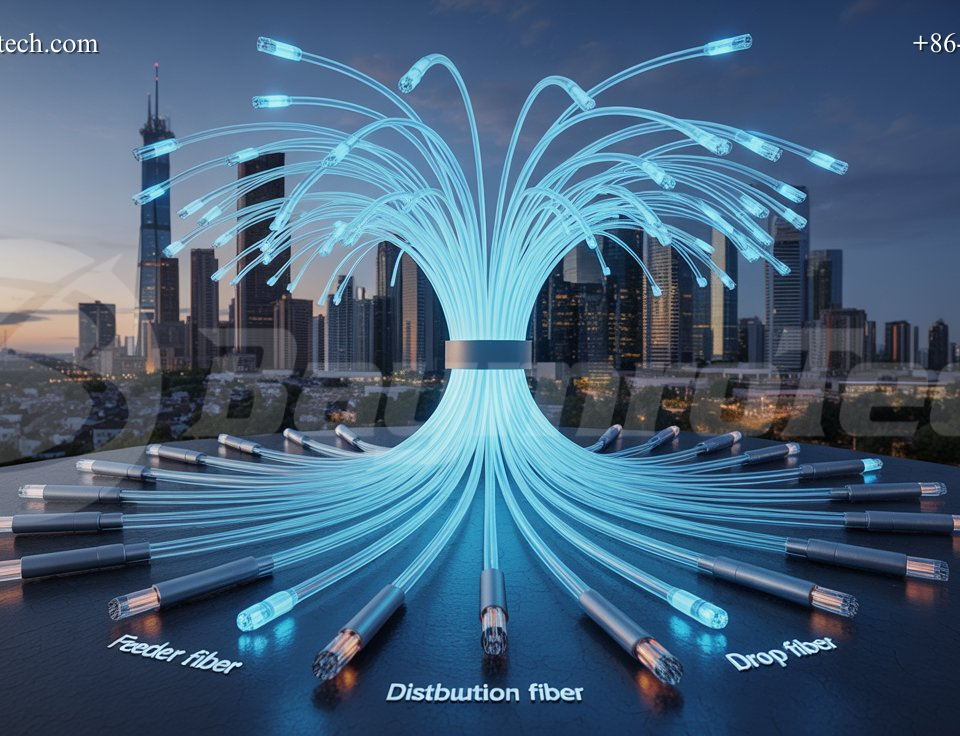
Let’s get personal. The next time you’re FaceTiming your niece halfway around the world, streaming a live game, or crunching numbers in your cloud-based accounting app, you’re relying on fiber optic networks. This invisible backbone keeps you connected, productive, and entertained.
And it’s not just for techies or big corporations. Fiber optics are revolutionizing everything from telemedicine to online education, allowing small towns and startups to compete globally. According to industry benchmarks, fiber optic internet service routinely scores 1Gbps and up—making buffering, lag, and dropped calls ancient history.
Expert Voices and Industry Insights
Telecom experts and networking pros universally tout fiber optics as the gold standard. According to the engineers at Eaton, fiber optic cables outperform copper by providing more bandwidth, better reliability, and far longer lifespan. HP’s analysts add that real-world download/upload parity and freedom from “throttling” (speed limits during peak times) make fiber a game-changer for home and business users.
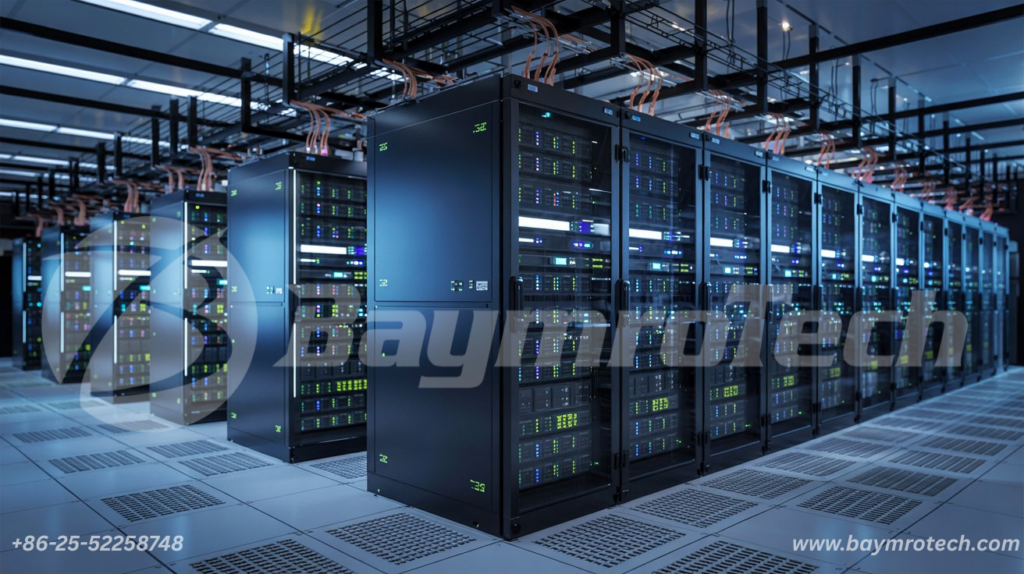
From an installer’s point of view, most new data centers and telecom networks are doubling down on fiber optic upgrades to “future-proof” their infrastructure. That’s money well spent—and it’s easier to maintain than ever.
Fiber Optics in the Big Picture: Where Is All This Going?
Tech is moving fast, but fiber is moving even faster. As cloud computing, video conferencing, and data-hungry apps explode in popularity, fiber optic networks let everyone keep up. High-def video, instant gaming, smart homes, AI, remote health monitoring—it’s all possible thanks to fiber.
Want the full technical details, or compare fiber vs. copper performance? Check out Corning’s Optical Fiber 101 or see Wikipedia’s coverage of fiber-optic communication.
Ready to Make the Leap?
If you’re still stuck on slow, unreliable copper connections, now’s the time to consider an upgrade. Fiber optic networks deliver blazing speeds, ironclad reliability, and the potential to future-proof your home or business. No need to settle for less.
Curious about installing fiber, upgrading your business, or solving connectivity headaches? Explore our fiber optic solutions page or reach out for a free consultation. Got a question or story about your own fiber experience? Drop your thoughts below or contact our team today—we’re here to help you connect, innovate, and thrive!
Explore More at BaymroTech:
- Learn about fiber optic cable applications
- Get expert tips for fiber optic installation
External Resources:
- Fiber Optic Basics | Optical Fiber 101 – Corning
- What Is Fiber Optics? A Guide – Fluke Networks
- Fiber-optic communication – Wikipedia
Ready to ditch lag for good? Discover how fiber optic cable can transform your digital world—one pulse of light at a time!