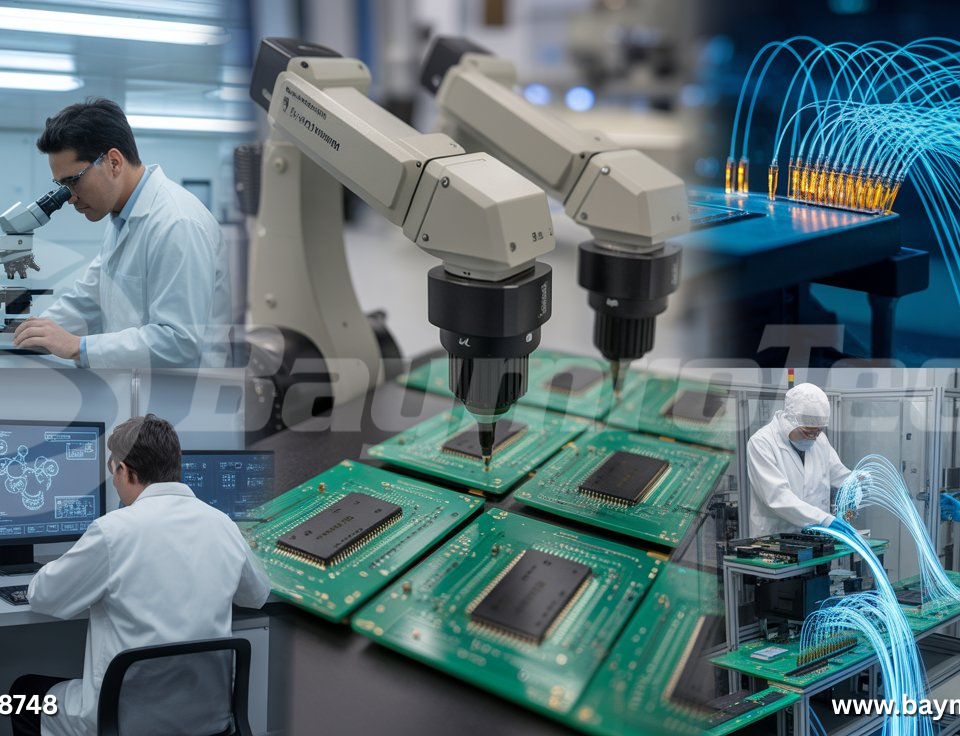

Did you know that by 2025, 5G networks will be nearly everywhere, powering everything from smart cities to remote surgeries1? If you’re in the telecom industry, you’ve probably felt the pressure: customers want lightning-fast speeds, businesses demand rock-solid reliability, and everyone expects seamless connectivity. But behind every smooth video call and lag-free gaming session, there’s a revolution happening in the telecom equipment world. Let’s pull back the curtain and see how 5G is rewriting the rules—and what it means for you.
The 5G Boom: More Than Just Speed
We all love fast downloads, but 5G is about much more than streaming your favorite show in 4K. It’s transforming how networks are built, how equipment is designed, and how companies like yours stay competitive.
Why is this such a big deal?
- 5G delivers ultra-low latency, meaning almost no lag—crucial for real-time apps like autonomous vehicles and remote medical procedures1.
- It supports massive device connectivity, powering the Internet of Things (IoT) and smart factories12.
- The demand for new telecom equipment is skyrocketing, with the global 5G equipment market expected to hit a staggering $277 billion by 20333.
How 5G is Reshaping Telecom Equipment
1. Smarter, More Versatile Hardware
Gone are the days when a few big towers could handle everything. 5G networks rely on a dense web of equipment:
- Small Cells: These mini base stations are popping up everywhere—from lamp posts to rooftops—bringing the network closer to users and slashing latency13.
- Advanced Antennas: Massive MIMO (multiple-input, multiple-output) antennas and beamforming tech are boosting capacity and coverage, even in crowded cities2.
- Fiber Optics: High-quality fiber optic cables and connectors (like those from Baymro Technology) are the backbone, ensuring data zips from point A to B without a hitch4.
If you’re a keystone jack manufacturer, this shift means rethinking products for higher speeds and denser deployments—because every millisecond counts in 5G.
2. Software Takes Center Stage
5G isn’t just about hardware; it’s about brains, not just brawn.
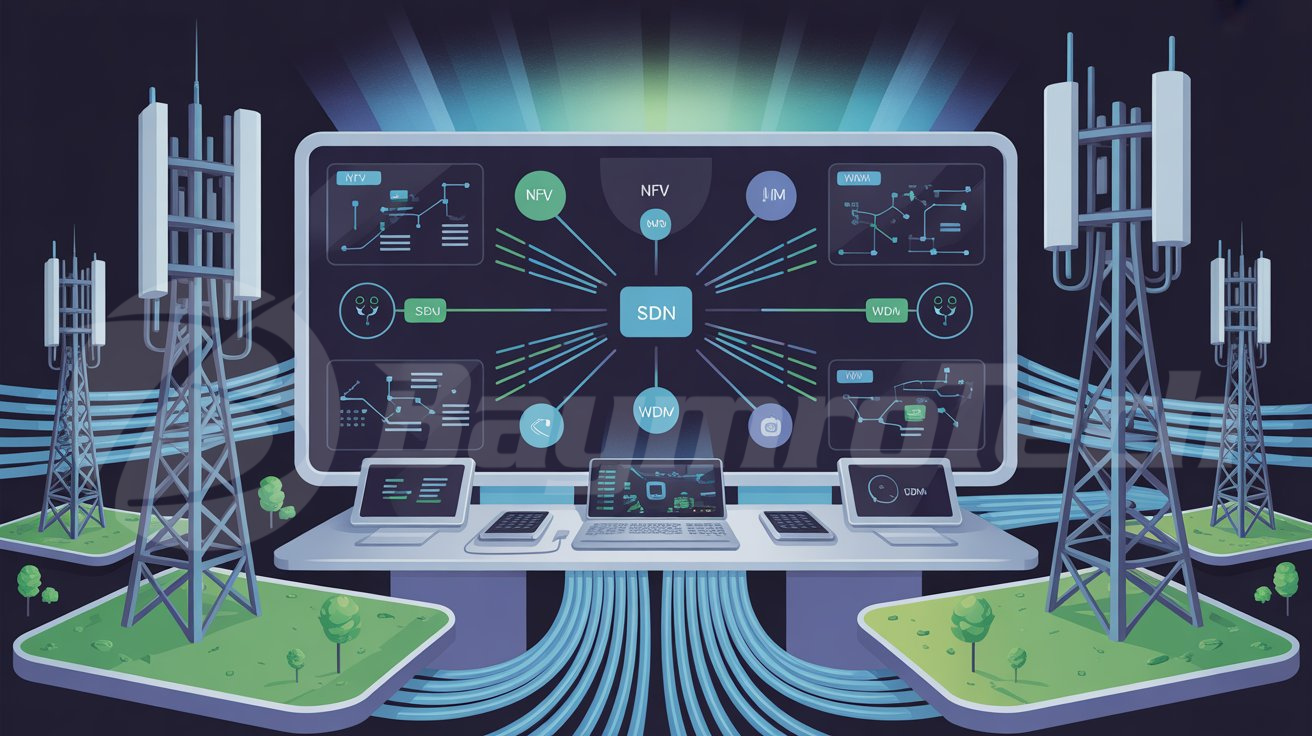
- Network Function Virtualization (NFV): Replaces bulky hardware with software, letting operators spin up new services on the fly3.
- Software Defined Networking (SDN): Gives network managers more control and flexibility, optimizing traffic in real time3.
- Network Slicing: Imagine carving up a single network to serve a hospital, a factory, and a stadium—all with different needs. That’s network slicing, and it’s powered by 5G’s software smarts2.
3. Strategic Partnerships & Ecosystems
No company can go it alone in the 5G era. The biggest players—think Nokia, Ericsson, Huawei—are teaming up with telecom operators to build out infrastructure at breakneck speed5. For example, Reliance Jio’s $1.7 billion deal with Nokia is just one of many mega-partnerships reshaping the industry5.
These collaborations go beyond selling boxes. They’re about co-creating solutions, integrating with cloud providers, and ensuring that every piece of equipment—from fiber optic adapters to massive antennas—works seamlessly together.
4. Wavelength Division Multiplexing (WDM): The Unsung Hero
Ever wondered how a single fiber can handle all your Zoom meetings, Netflix binges, and smart home gadgets at once? The answer is Wavelength Division Multiplexing (WDM)6. By sending multiple data streams down the same fiber, WDM technology multiplies capacity—without digging up new roads or laying more cables.
- DWDM (Dense WDM): Handles long-haul, high-capacity transmission for core networks and data centers6.
- FWDM (Fused WDM): Perfect for robust, dual-wavelength systems in harsh environments6.
If you want to future-proof your network, choosing the right WDM solution is essential. For a deeper dive, check out Baymro’s WDM product selection guide or learn how WDM powers real-world connectivity in this industry overview6.
Real-World Impact: From Smart Cities to Industry 4.0
5G isn’t just a buzzword—it’s already changing lives and industries:
- Smart Cities: Real-time traffic management and enhanced public safety1.
- Manufacturing: Robots and sensors working in perfect sync, thanks to ultra-reliable, low-latency connections12.
- Healthcare: Remote surgeries and telemedicine that feel as immediate as being in the same room12.
And it’s not just the tech giants benefiting. Smaller equipment makers, component suppliers, and yes, even keystone jack manufacturers, are seeing new opportunities as networks evolve and expand.
Keeping Up: What Should You Do Next?
Feeling overwhelmed? You’re not alone. Here are a few practical steps:
- Invest in Quality: Whether it’s fiber optic cables, adapters, or advanced WDM solutions, don’t skimp on quality. Your network’s reliability depends on it. For tips on troubleshooting and choosing the right components, see Baymro’s fiber optic troubleshooting guide7.
- Stay Informed: The pace of change is dizzying. Subscribe to industry news, follow reputable sources like 5GWorldPro for the latest trends1, and don’t hesitate to reach out to experts.
- Plan for Growth: 5G is just the beginning. Make sure your infrastructure can scale as data demands soar.
Conclusion: The Future is Here—Are You Ready?
5G is more than a technology upgrade; it’s a seismic shift in how we connect, work, and live. The telecom equipment landscape is evolving faster than ever, driven by smarter hardware, agile software, and game-changing partnerships. Whether you’re a network engineer, a keystone jack manufacturer, or a business owner planning your next upgrade, now’s the time to get ahead of the curve.
Want to learn more about the latest telecom solutions or need help choosing the right equipment for your project? Explore Baymro Technology’s industry solutions or check out our WDM explained guide for in-depth insights6. Got questions or a story to share about your 5G journey? Drop us a message—we’d love to hear from you!
Ready to future-proof your network? Let’s build the next generation of connectivity—together.