

Imagine this: You’re streaming your favorite show, and suddenly, the dreaded buffering wheel appears. Frustrating, right? Now, picture being the service provider responsible for making sure that never happens—across thousands of homes and businesses. That’s the daily reality for those deploying FTTx networks. If you’ve ever wondered why rolling out fiber seems so complicated (and expensive), or how industry leaders are solving these challenges, you’re in the right place. Let’s dive into the real-world hurdles of FTTx deployments—and the smart solutions that can help you deliver seamless, high-speed connectivity.
What Makes FTTx Deployment So Challenging?
FTTx (Fiber to the X) is the backbone of modern digital infrastructure, enabling everything from binge-worthy streaming to mission-critical business operations. But getting fiber to every doorstep isn’t as easy as it sounds. Here’s why:
1. Infrastructure Costs That Make Your Accountant Sweat
Deploying FTTx, especially FTTH (Fiber to the Home), requires a hefty upfront investment. According to industry reports, the cost per home can range from $300 to $500, depending on the region and complexity of the build5. Multiply that by thousands—or millions—of homes, and you see why service providers need to carefully assess financial viability before breaking ground.
2. The Last Mile: Where the Going Gets Tough
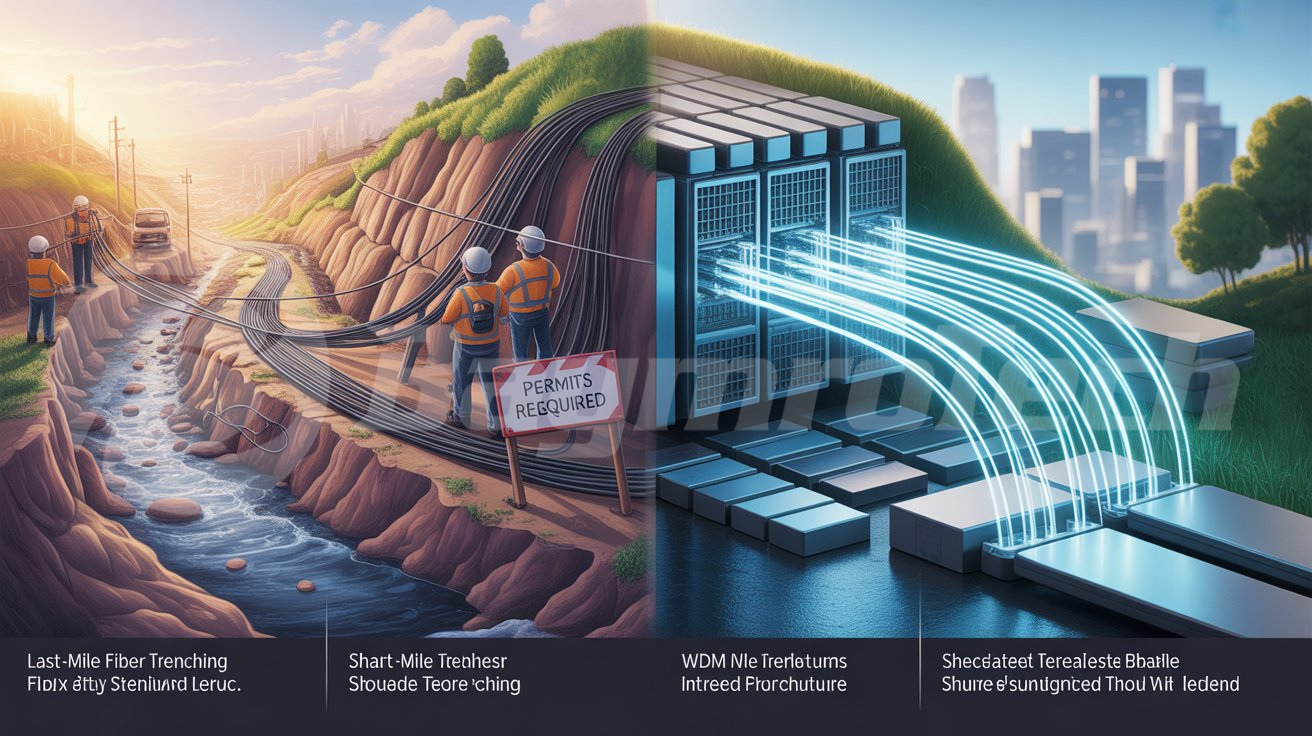
The “last mile” is notorious for being the most expensive and time-consuming part of any FTTx rollout. Why? Each home or business often requires customized work, from trenching to navigating existing utilities. Even with increased demand and funding, there’s no one-size-fits-all solution for getting fiber into every building2.
3. Geographical and Environmental Headaches
Rural and remote areas present unique challenges: mountains, forests, rivers, and protected lands can turn a straightforward fiber run into a logistical nightmare. Specialized equipment, environmental permits, and creative engineering are often required, further driving up costs34.
4. Regulatory and Right-of-Way Roadblocks
Securing permits and negotiating right-of-way access with local authorities can slow projects to a crawl. Each municipality may have its own rules, adding layers of complexity to already challenging deployments19.
5. Scarcity of Skilled Labor
Fiber deployment isn’t a job for just anyone. Highly trained crews are needed for everything from splicing to troubleshooting. In many regions, especially rural areas, finding and retaining skilled technicians can be a significant barrier23.
Smart Solutions: How Service Providers Are Overcoming FTTx Challenges
Now for the good news—service providers aren’t just sitting back and hoping for the best. They’re leveraging innovation, collaboration, and a bit of grit to tackle these obstacles head-on.
1. Standardization and Modular Components
Gone are the days of bespoke, labor-intensive installations. Today, the industry is moving toward standardized, interoperable components—think plug-and-play splitters, multi-fiber MPO connectors, and pre-terminated drop cables. These innovations cut installation time and costs, allowing crews to “snap and go” rather than spending hours on-site2. It’s like assembling furniture with clear instructions—no more mystery bolts left over.
2. Digitization and Automation
Digital tools are transforming every stage of the FTTx lifecycle. Automated planning, GIS-based design, and project management platforms help streamline everything from initial surveys to ongoing maintenance. This not only speeds up deployment but also helps providers scale efficiently and avoid costly mistakes7. For a deep dive into how digitalization can boost your rollout, check out our FTTx project management solutions.
3. Smarter Network Planning
Before a single shovel hits the ground, successful providers use advanced analytics to map demand, optimize routes, and prioritize high-return areas. This data-driven approach ensures resources are focused where they’ll have the greatest impact, reducing wasted spend and maximizing ROI19.
4. Collaboration and Shared Infrastructure
In regions where costs are prohibitive, service providers are increasingly forming partnerships—sharing trenches, poles, and even fiber strands. This collaborative approach reduces duplication, accelerates deployment, and can help bridge the digital divide in underserved areas3.
5. Investing in Training and Local Expertise
To address the skills gap, many companies are investing in local training programs and upskilling initiatives. By building a pipeline of qualified technicians, providers can reduce downtime, improve service quality, and foster community buy-in3.
Real-World Example: FTTx in Rural Communities
Let’s bring this to life with a quick story. In a mountainous region of northern Europe, a service provider faced soaring costs and endless permitting delays. By adopting modular, field-installable connectors and leveraging a shared infrastructure agreement with the local utility, they cut deployment time by 40% and brought high-speed internet to hundreds of previously unconnected homes. The key? Standardization, collaboration, and a willingness to innovate.
The Role of Advanced WDM Technologies
Technologies like FWDM, CWDM, and DWDM are playing a growing role in maximizing fiber capacity and reducing deployment costs. By multiplexing multiple wavelengths on a single fiber, these solutions allow service providers to deliver more bandwidth without laying more cable—a win-win for both urban and rural deployments. Curious how these technologies can boost your network? Explore our optical components portfolio.
Key Takeaways
- FTTx deployment is complex, costly, and full of logistical challenges—but not impossible.
- Standardization, digitization, and smarter planning are transforming the industry.
- Collaboration and investment in local expertise are key to sustainable growth.
- Advanced WDM technologies like FWDM, CWDM, and DWDM unlock new efficiencies and capacity.
Ready to Accelerate Your FTTx Deployment?
Whether you’re planning your first fiber project or scaling up for a mega rollout, the right strategy and tools can make all the difference. Want to learn more about how Baymro Tech can help you overcome FTTx challenges? Dive into our FTTx solutions or reach out to our team for a personalized consultation. Have a story or question about your own deployment? Drop a comment below—we’d love to hear from you!
For further reading on FTTx deployment challenges and solutions, check out this in-depth analysis from Cyient and practical insights from ADTEK Fiber.