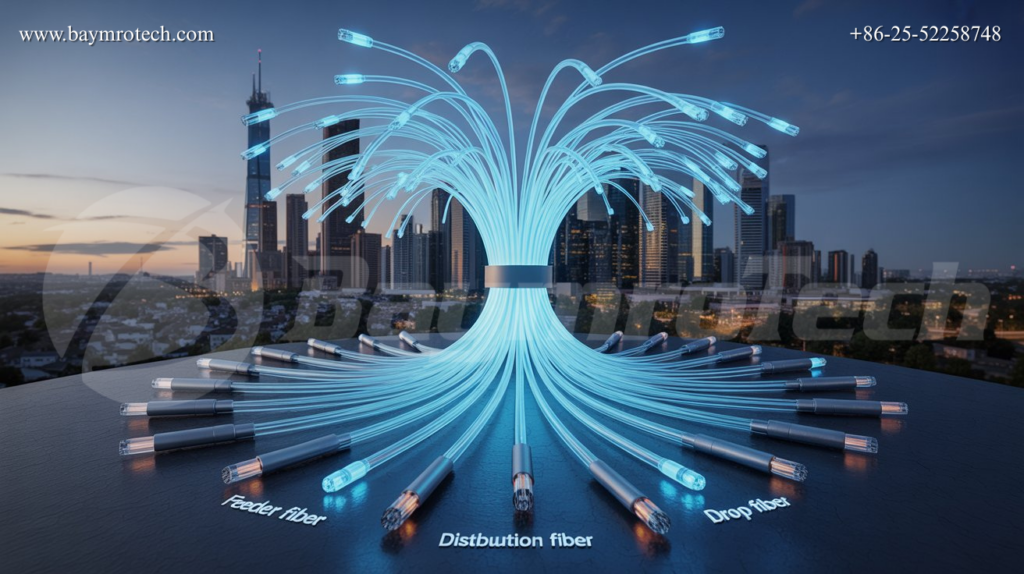
Imagine trying to train an AI model on petabytes of data, only for sluggish connections to bottleneck the entire process—frustrating, right? You’re likely dealing with exploding data demands in AI and cloud setups, where every millisecond counts for real-time decisions and seamless scalability. Fiber optics steps in as the unsung hero, delivering lightning-fast, reliable data transfer that powers these technologies without breaking a sweat.
Why Fiber Optics Beats Copper Hands Down
You’ve probably heard the hype around fiber optics, but let’s get real: traditional copper cables just can’t keep up with AI’s voracious appetite for data. Fiber optics transmits light signals at speeds up to 100 Gbps or more, slashing latency to microseconds—perfect for AI training that chugs through massive datasets.
- High Bandwidth: Handles terabits per second, ideal for cloud servers juggling AI workloads like image recognition or natural language processing.
- Low Latency: No more lag in real-time apps, such as autonomous vehicles crunching sensor data on the fly.
- Long-Distance Reliability: Spans miles without signal degradation, linking remote data centers effortlessly.
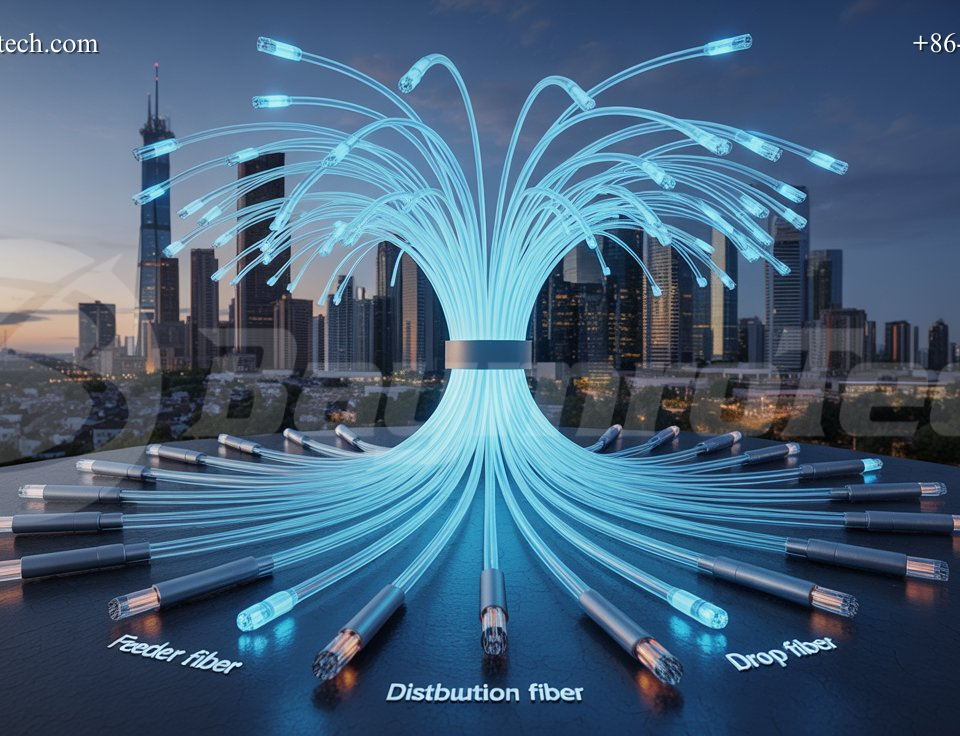
Think about it: without this backbone, your cloud storage would crawl, and AI predictions would lag behind reality. A <a href=”https://baymrotech.com/electric/fiber-optic-pigtails”>fiber optic pigtail</a>, that compact connector essential for splicing cables, ensures these high-speed links stay rock-solid in demanding setups.
Fueling AI Data Processing with Speed and Scale
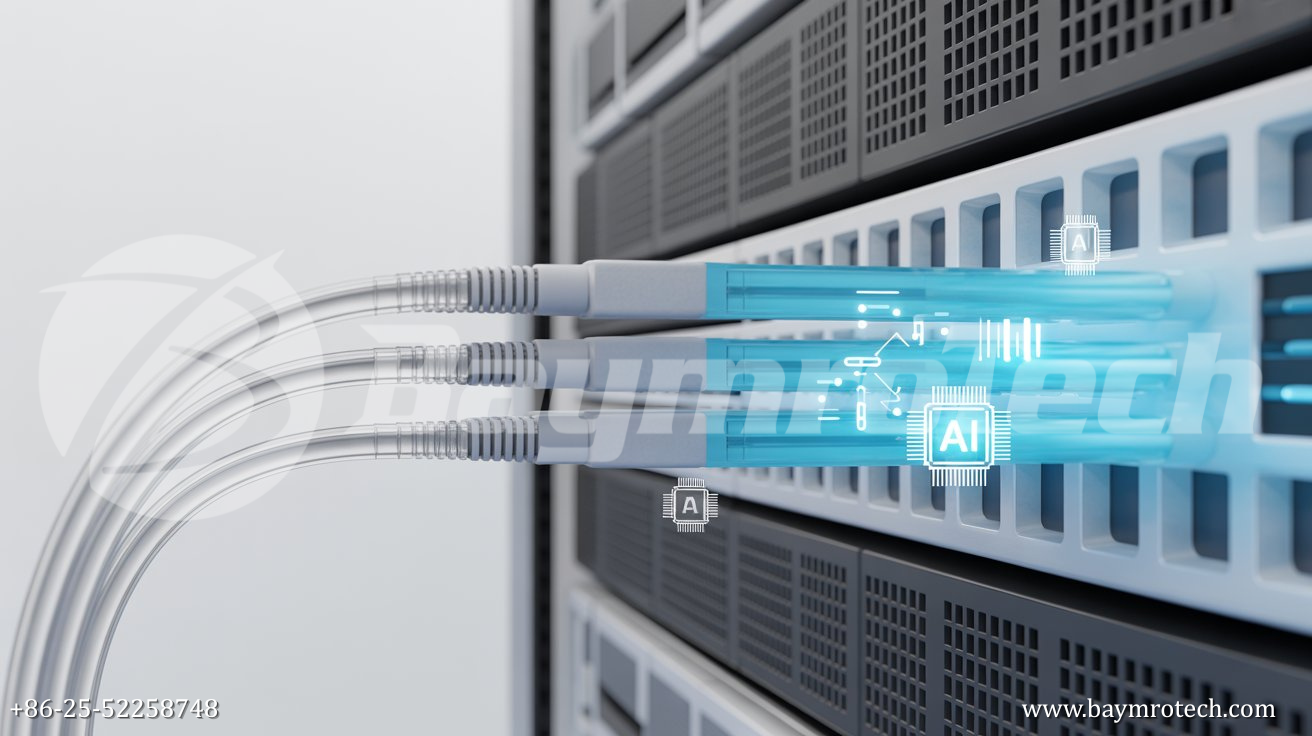
AI thrives on data—lots of it—and fiber optics makes processing that firehose feasible. In machine learning, models train faster when datasets zip between GPUs via fiber links, cutting hours off development time. Picture a data center humming with neural networks; fiber’s immunity to electromagnetic interference keeps signals pure, even in noisy environments.
I remember chatting with a cloud engineer who swapped copper for fiber in their AI pipeline—suddenly, their model’s accuracy spiked because training completed without data hiccups. Humorously, it’s like upgrading from a bicycle to a Ferrari for your data races. Key perks include:
- Enabling real-time analytics for fraud detection or personalized recommendations.
- Supporting edge AI in IoT devices, where low-latency fiber connects sensors to cloud brains.
- Boosting energy efficiency—fiber uses less power than copper for the same throughput.
For deeper dives, check out this analysis on optical fiber’s AI boost from Network Infrastructure Magazine.
Supercharging Cloud Computing Infrastructure
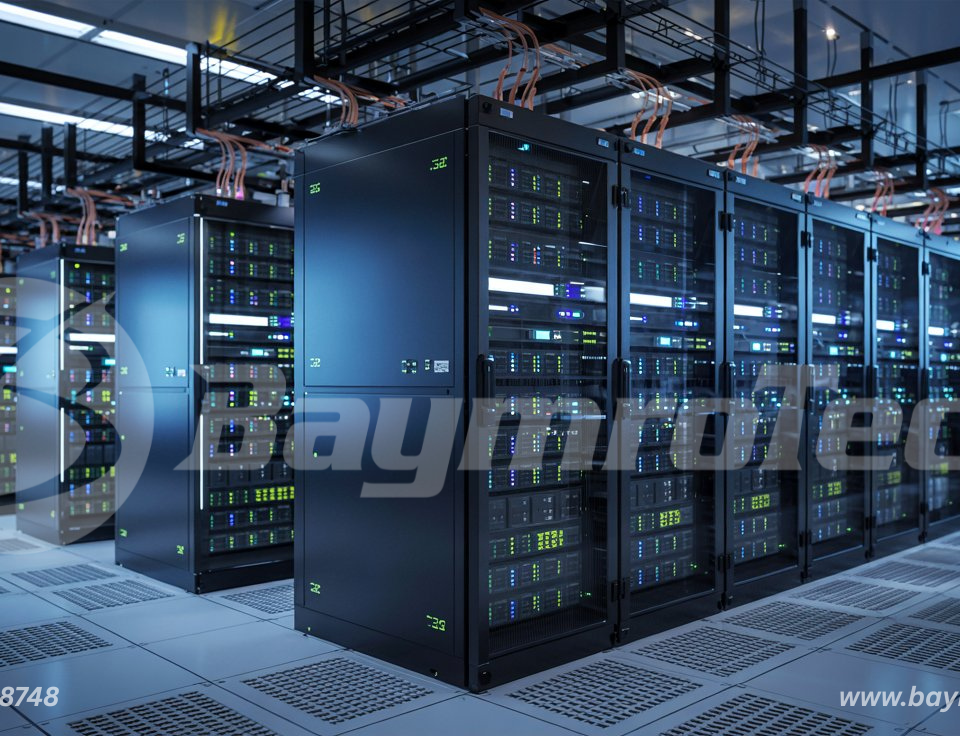
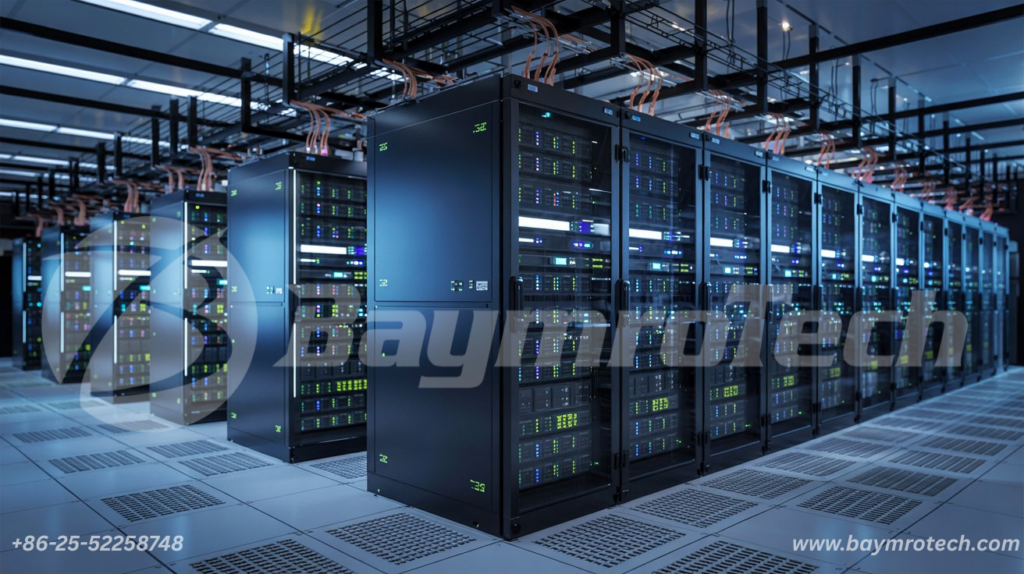
Cloud computing powers everything from Netflix binges to enterprise AI, but it demands interconnects that scale massively. Fiber optics forms the spine of hyperscale data centers, like those run by AWS or Google, shuttling data at 400 Gbps+ speeds. Without it, virtualization and container orchestration would stutter under load.
Here’s a quick comparison of fiber vs. alternatives in cloud scenarios:
| Feature | Fiber Optics | Copper Ethernet | Wireless |
|---|---|---|---|
| Max Speed | 100+ Gbps | 10-40 Gbps | 1-10 Gbps |
| Latency | <1 μs | 5-10 μs | 10-50 ms |
| Distance | 100+ km | 100 m | Line-of-sight only |
| AI/Cloud Suitability | Excellent | Limited | Poor for heavy loads |
Dive into our guide on robust fiber solutions for data centers to see how we optimize these setups. A well-integrated fiber optic pigtail shines here, offering precise, low-loss connections for cloud backbone patching. For stats, the fiber market for data centers is exploding, projected to grow 15% annually as AI adoption surges—per MarketsandMarkets insights.
Real-World Wins and Future-Proofing
Ever wonder why tech giants hoard fiber? It’s battle-tested in scenarios like healthcare AI, where fiber enables instant MRI analysis across networks. Or take autonomous drones: fiber links provide the bandwidth for live video feeds and AI decision-making in harsh terrains.
Adding a dash of empathy— if you’re scaling your cloud ops, the fear of downtime is real. Fiber mitigates that with 99.999% uptime reliability. Looking ahead, innovations like hollow-core fiber promise even lower latency, prepping us for quantum AI hybrids. Curious? Explore TrueCable’s take on fiber in AI.
Challenges and Smart Solutions
No tech is perfect—fiber installs cost more upfront, and bending losses can trip you up. But here’s practical advice: Start small with pigtails for quick upgrades, and partner with pros for fusion splicing. We’ve helped clients at Baymro Tech cut deployment time by 30% using pre-terminated <a href=”https://baymrotech.com/electric/fiber-solutions”>fiber optic assemblies</a>.
Pro tip: Test for insertion loss under 0.2 dB to keep AI pipelines humming. Laugh if you must, but overlooking this is like running a marathon in flip-flops.
Wrapping It Up: Your Next Move
Fiber optics isn’t just cable—it’s the accelerator pedal for AI data processing and cloud computing, delivering unmatched speed, scale, and reliability. From crunching big data to powering seamless clouds, it solves your bandwidth woes head-on.
Ready to future-proof your setup? Head over to baymrotech.com/electric for tailored fiber solutions, drop us a line for a free consult, or share your AI challenges in the comments below. Let’s connect—literally!