

Did you know that a single fiber optic cable can transmit the equivalent of all the world’s internet traffic while using less energy than your morning coffee maker? Yet, as we race toward a hyper-connected future, you’re probably wondering: does laying down all that fiber optic cable really harm the planet, or can it actually help us build greener networks? In this post, we’ll dive into the real environmental story behind fiber optics, tackle the challenges head-on, and explore practical paths to sustainable connectivity that won’t keep you up at night worrying about your carbon footprint.
The Hidden Costs of Fiber Optic Deployment
Let’s get real—you love the blazing speeds of fiber, but digging trenches for thousands of miles of cable isn’t a picnic for Mother Nature. Installation disrupts habitats, with one study on a 3,100-mile project revealing over 154 plant species affected, from root damage to invasive species spread via equipment. Mining silica for the glass core and plastics for sheathing adds up too: it pollutes air and water, erodes soil, and releases toxins like mercury that harm wildlife and communities.
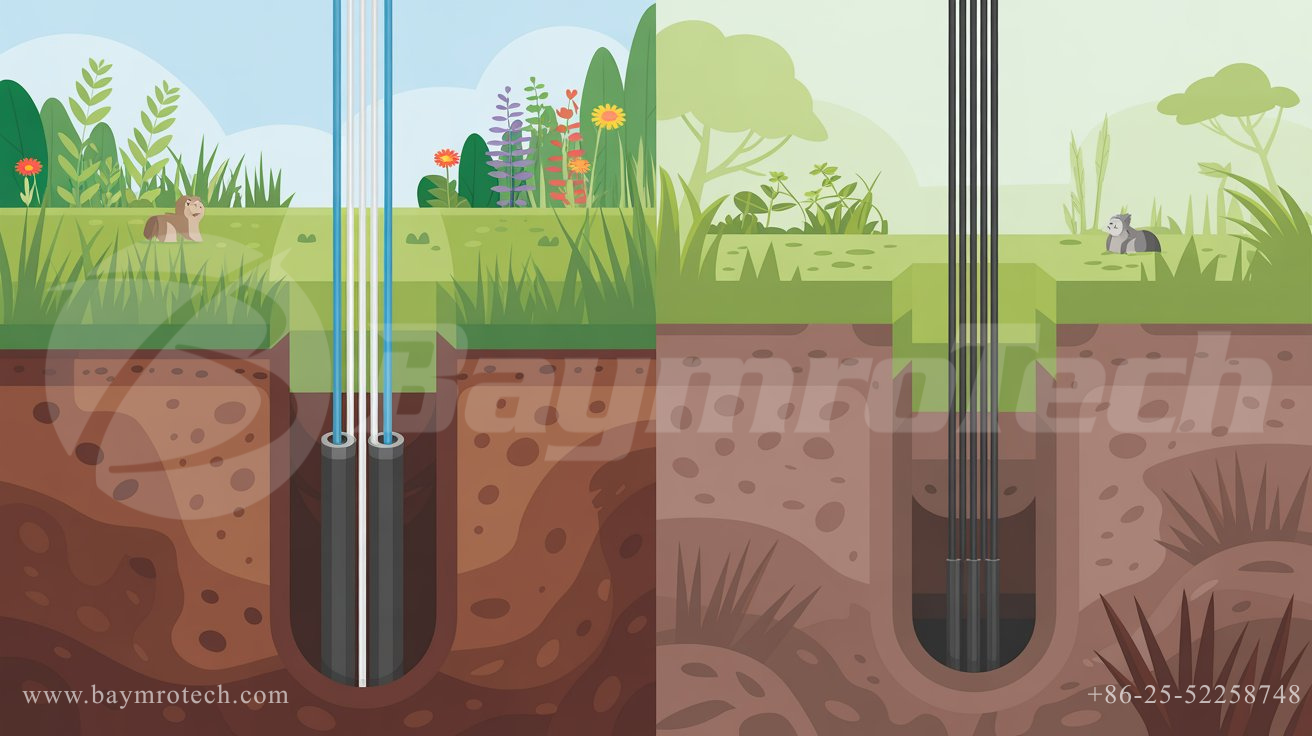
But here’s where it gets interesting—and a bit humorous. Imagine burrowing critters popping up like uninvited guests at a construction site, only to find their homes turned into superhighways for data. Short-term chaos like soil compaction lingers as long-term issues, reducing water infiltration and biodiversity. Still, compared to copper cables, which guzzle resources through endless mining of heavy metals, fiber’s upfront hit is smaller over time.
- Habitat disruption: Trenching exposes animal shelters and alters ecosystems.
- Resource extraction: Silica mining causes dust pollution linked to 43,000 premature deaths yearly worldwide.
- Chemical risks: Only 24% of facilities properly track hazardous waste disposal.
Fiber’s Energy Edge: Why It’s Greener Than Copper
Switch gears with me—once installed, fiber optic cable shines brighter than copper in the eco-department. Copper networks suck down massive power for signal boosting every few hundred meters, while fiber zips data over miles with pure light, slashing energy use by up to 80%. That means fewer emissions: telecom already accounts for 2-3% of global electricity, but fiber keeps your streaming binge from lighting up coal plants.
Think about it—you’re running a business in Kolkata, juggling Zoom calls and cloud backups. Upgrading to fiber at baymrotech.com/electric could cut your network’s power bill and emissions, letting you focus on growth instead of guilt. Real stats back this: fiber networks last 30-50 years with minimal maintenance, versus copper’s frequent replacements. A Ramboll study even crunches lifecycle numbers, showing fiber edges out copper in carbon footprint and resource depletion.
External experts agree. According to a report from the International Energy Agency (IEA), efficient networks like fiber are key to curbing digital sector emissions, projected to double by 2030 without action.
Challenges in Production and Waste
No sugarcoating: manufacturing fiber optic cable isn’t flawless. Drawing ultra-pure glass requires energy-intensive furnaces, often fossil-fueled, and plastic coatings derive from petroleum. Waste is another sore spot—discarded cables, especially plastic-over-optical-fiber (POF) types, entangle wildlife like birds and bats, acting as deadly barriers in habitats.
I’ve seen it firsthand in industry chats: a telecom engineer once joked that old cables are like digital ghosts haunting landfills. Globally, poor recycling means heavy metals leach into soil, but only 8% of production sites monitor emissions properly. Water use for cooling adds thermal pollution, stressing aquatic life.
Yet, progress is happening. Bio-based sheaths and recycled glass are emerging, per insights from Ramboll’s environmental analysis. Check our own take on sustainable telecom solutions at Baymro Tech, where we prioritize green materials.
Pathways to Truly Green Fiber Networks
So, are green networks possible? Absolutely— if we get smart about it. Start with directional drilling over open trenching to minimize disruption, restoring sites with native plants post-install. Power factories with renewables; one facility switch could cut emissions by 50%.
Here’s a quick roadmap for you:
- Choose certified suppliers: Look for eco-labels on fiber optic cable to ensure low-impact sourcing.
- Embrace circularity: Recycle old cables—programs recover 90% of materials.
- Optimize designs: Use thinner cables for less material and pair with energy-efficient equipment.
- Policy push: Advocate for strict rehab rules, as in the EU’s green telecom directives.
Humor alert: Imagine fiber cables powered by solar panels, whispering data like eco-friendly fireflies. Companies like Glo Fiber are already proving it, reducing waste through durable builds. For deeper dives, STL Tech outlines fiber’s sustainability wins, from lower CO2 to longevity.
Real-World Wins and Future Outlook
Take Metro Fiber USA: their deployments show fiber cutting operational emissions by enabling remote work and efficient data flow. In India, with booming digital demand, firms like ours at Baymro Tech integrate these practices, blending high-speed fiber optic solutions with planet-friendly installs.
Stats don’t lie—fiber supports the green transition by powering smart grids and IoT for energy savings. A World Bank estimate pegs efficient broadband as saving 1.4 gigatons of CO2 by 2030 through optimized logistics alone.
Wrapping It Up: Your Move to Green Connectivity
Fiber optics pack environmental punches in production and install, but their lifetime perks—vastly lower energy, durability, and enabler of sustainability tech—make them a net win over copper. Green networks aren’t a dream; they’re here with responsible choices like renewable manufacturing, minimal-impact deployment, and recycling.
Ready to make the switch? Head to baymrotech.com/electric to explore our eco-focused fiber options, or drop a comment below sharing your thoughts on sustainable tech. Let’s connect the world without disconnecting from the planet—what’s your biggest concern?