
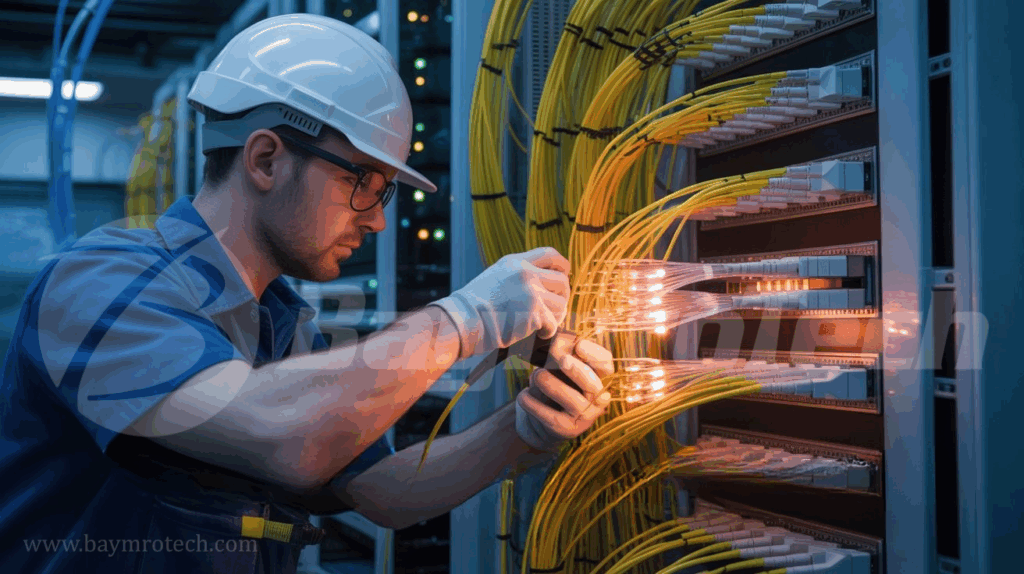
Did you know that a single speck of dust on a fiber optic connector can bring your entire high-speed network to a crawl? If you’ve ever wondered why your FTTx network isn’t delivering the blazing speeds you expected, you’re not alone. Many installers—pros and DIYers alike—make avoidable mistakes that lead to costly downtime, frustrating troubleshooting, and unhappy users. The good news? With a little know-how, you can sidestep these common pitfalls and ensure your FTTx network installation goes off without a hitch.
What Is an FTTx Network—And Why Does Installation Matter?
FTTx (Fiber to the x) networks are the backbone of modern connectivity, delivering lightning-fast internet to homes, businesses, and entire communities. Whether you’re deploying FTTH (Fiber to the Home), FTTB (Fiber to the Building), or FTTC (Fiber to the Curb), the quality of your installation directly impacts performance, reliability, and long-term maintenance costs. So, let’s dive into the most common mistakes—and how you can avoid them.
1. Mishandling Fiber Optic Cables
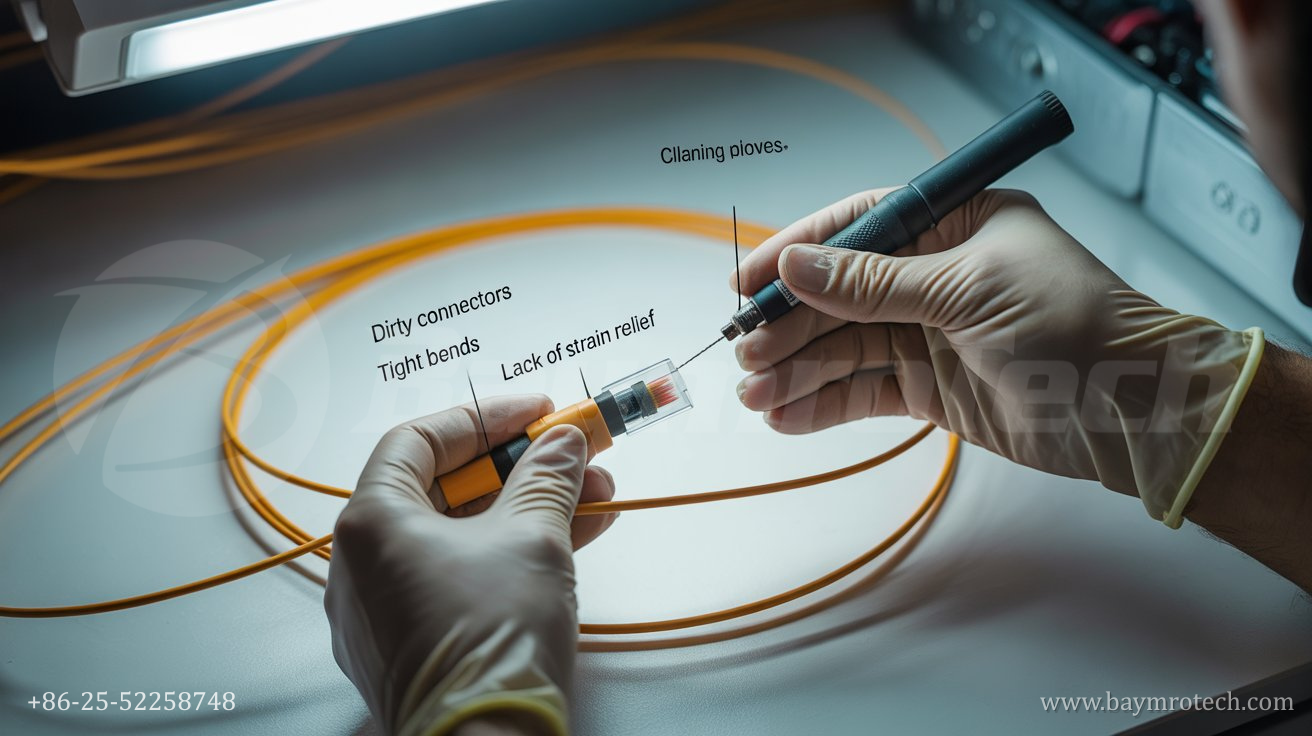
Why it happens: Fiber optic cables may look tough, but inside they’re as delicate as spun glass. Treating them like copper cables—bending, twisting, or pulling too hard—can cause micro-fractures and signal loss.
How to avoid it:
- Always follow the manufacturer’s guidelines for minimum bend radius.
- Use gentle hands and proper tools—never yank or sharply bend the cable.
- Support cables when running them overhead or through conduits to prevent sagging and stress.
Pro tip: If you’ve ever tried to untangle holiday lights and ended up with a mess, you know the pain of poor cable management. Don’t let your FTTx install become a similar headache!
2. Skipping Cable Testing and Documentation
Why it happens: In the rush to finish, it’s tempting to skip thorough testing or forget to record what you’ve done. But this shortcut can haunt you later with mysterious outages and time-consuming troubleshooting.
How to avoid it:
- Test every cable run with an Optical Time Domain Reflectometer (OTDR) and power meter before moving on.
- Document all cable routes, splice points, and test results for future reference.
- Keep records organized and accessible—your future self (or the next technician) will thank you.
3. Dirty or Poorly Terminated Connectors
Why it happens: Even a tiny bit of dust or oil can disrupt the light signal in a fiber optic cable. Rushed or improper termination leads to weak connections and signal loss.
How to avoid it:
- Clean every connector before and after installation using proper tools—no T-shirt corners allowed!
- Use high-quality, precision-engineered connectors for reliable alignment.
- Take your time with terminations; patience here pays off in network performance.
Fun fact: According to industry experts, connector contamination is the #1 cause of fiber optic network failures.
4. Incorrect Cable Length Calculations
Why it happens: Underestimating or overestimating cable lengths can result in cables that are too short (forcing risky stretches) or too long (creating messy coils and signal attenuation).
How to avoid it:
- Measure twice, cut once—always double-check your distances, including bends and vertical runs.
- Add extra length for termination and future maintenance, but avoid excessive slack.
5. Using the Wrong Connectors or Splicing Techniques
Why it happens: Not all connectors are created equal, and mixing incompatible types (like SC, LC, or ST) can cause signal issues. Poor splicing increases insertion loss and weakens performance.
How to avoid it:
- Match connectors to your cable type and network requirements.
- Use proper splicing equipment and techniques—fusion splicing is best for minimal signal loss.
- Label cables and connectors to ensure correct polarity and compatibility.
6. Neglecting Environmental Factors
Why it happens: Harsh conditions—like extreme temperatures, moisture, or dust—can degrade cable performance over time.
How to avoid it:
- Use cables and enclosures rated for your installation environment.
- Protect outdoor or underground runs with watertight, dustproof solutions.
- Monitor temperature and humidity during installation.
7. Poor Planning of Cable Pathways
Why it happens: Improperly planned routes can lead to unnecessary bends, obstacles, or exposure to hazards—risking cable damage and longer installation times.
How to avoid it:
- Plan your pathways in advance, considering all obstacles and future expansion.
- Use cable management systems to keep everything organized and protected.
8. Forgetting Strain Relief
Why it happens: Without proper strain relief, cables can be stressed at entry points, leading to breakage over time.
How to avoid it:
- Use strain relief boots and secure cables at connectors and entry points.
- Never let cables hang unsupported, especially at terminations.
How Baymro Technology Can Help
At Baymro Technology, we know that a successful FTTx network installation starts with the right products and expert guidance. Our team offers:
- Custom FTTx solutions tailored to your needs, from GPON components to fiber distribution boxes.
- End-to-end support—from planning and product selection to installation and maintenance.
- Quality assurance with ISO, CE, and RoHS-certified products.
Looking for more tips? Check out our Beginner’s Guide to FTTx Network Planning for a step-by-step approach to building a future-ready network.
Trusted Industry Resources
Want to dive deeper? These authoritative sources offer additional best practices and troubleshooting tips:
- CablesAndKits: 9 Common Fiber Optic Installation Mistakes
- Fibasource: Top 10 Fiber Optic Cable Installation Mistakes
- Star Network India: Common Mistakes to Avoid in Fiber Optic Cable Installation
Key Takeaways
- Handle fiber optic cables with care—they’re not as tough as they look.
- Test and document every step to save headaches later.
- Keep connectors clean and use the right termination techniques.
- Plan your installation with the future in mind, and use quality components.
- Don’t go it alone—partner with experts for a smoother, faster deployment.
Ready to build a network that’s fast, reliable, and future-proof? Contact the Baymro Technology team today for a free consultation or explore more FTTx solutions on our website. Your next flawless installation starts here!